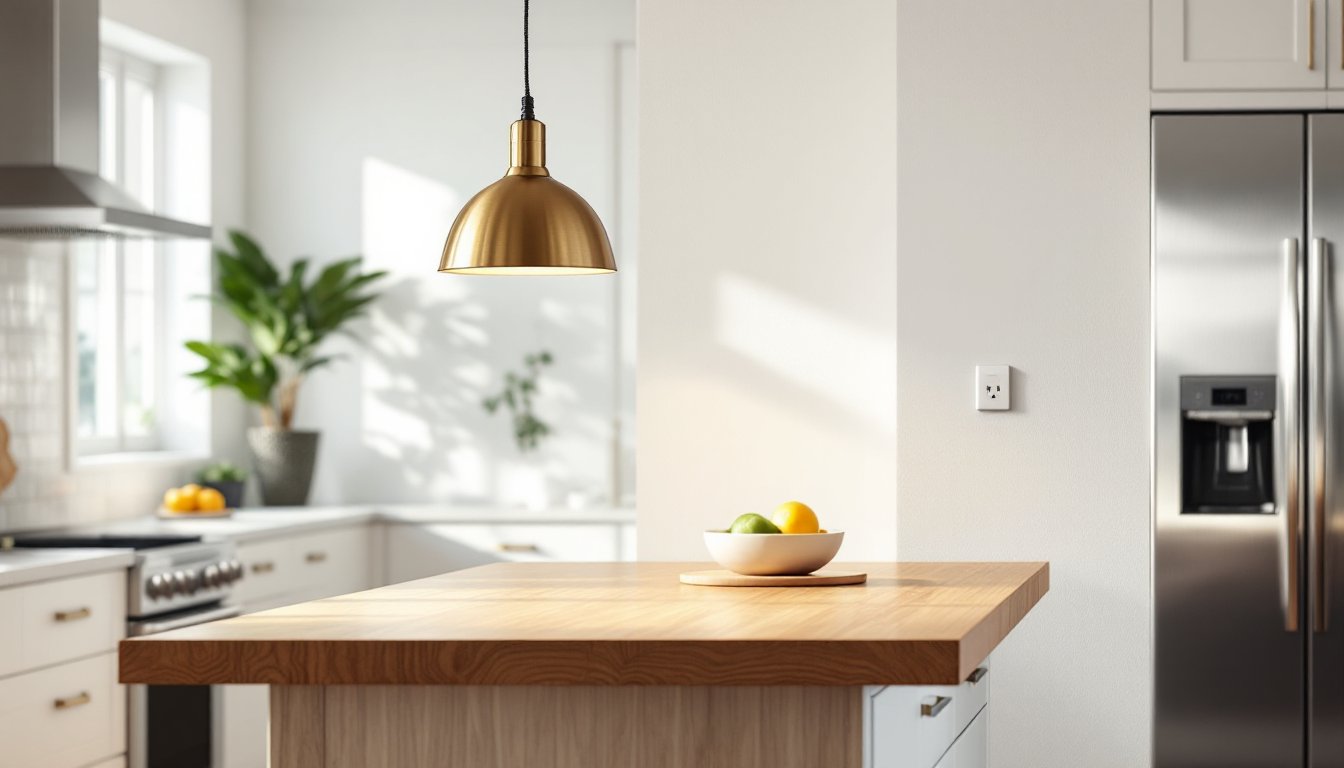
Pendant lighting has become a staple in modern home design, but traditional hardwired installation puts it out of reach for renters, budget-conscious homeowners, and anyone without electrical know-how. Plug-in pendant lights solve that problem entirely. They deliver the same stylish, focused downlight that makes a kitchen island or dining table feel upscale, without opening walls, running wire, or calling an electrician. Whether someone’s living in a temporary space or just testing a design before committing, plug-in pendants offer real flexibility. They’ve evolved from basic novelty items into genuinely attractive fixtures that rival their hardwired cousins. Here’s everything a homeowner needs to know to choose and install them right.
Table of Contents
ToggleKey Takeaways
- Plug-in pendant lighting eliminates the need for hardwired installation, making it ideal for renters and budget-conscious homeowners who want stylish downlight without calling an electrician.
- Proper mounting requires drywall anchors rated for 1.5 times the fixture’s weight, and fixtures should hang 30 to 36 inches above work surfaces for comfortable, glare-free lighting.
- Task lighting pendants need 400 to 600 lumens, while ambient lighting can range from 200 to 400 lumens—LED bulbs are the standard choice and last 25,000 to 50,000 hours.
- Plug-in pendants work best in kitchens, home offices, bedrooms, and dining areas, but should avoid high-humidity spaces unless specifically rated for moisture exposure.
- Installation takes only 15 to 30 minutes and requires minimal tools, making it accessible for homeowners of all skill levels without permits or electrical expertise.
- Regular maintenance involves monthly cleaning of the shade and occasional cord inspection for cracks or exposed wire to ensure long-term safety and performance.
What Makes Plug-In Pendant Lights Different From Hardwired Options
A plug-in pendant is a hanging light fixture with a cord that plugs into a standard outlet, rather than connecting to home electrical wiring. That’s the core difference, but it’s huge. While hardwired pendants require running wire through walls and ceilings, often demanding permits and professional installation, plug-in models simply hang from a hook or ceiling anchor and plug in. There’s no running wire, no breaker panel, no licensed electrician required.
The trade-off? Plug-in pendants are limited by cord length and outlet placement. Most come with 6 to 12-foot cords, though longer options exist. They also depend on standard outlets, which affects where the fixture can hang. That said, exterior-rated extension cords and power strips (used thoughtfully) can extend reach if needed, though placing cords safely remains important.
Key Installation Advantages
Installation is genuinely fast. A homeowner needs a ceiling hook or mounting bracket, which typically screws in with two fasteners. For drywall, anchors rated for the fixture’s weight (usually 3 to 8 pounds) are sufficient. For solid wood or beams, regular screws work fine. Many plug-in pendants ship with anchors included. Total setup time: 15 to 30 minutes, often just finding an outlet and adjusting the hang height. There’s no risk of breaker trips, no waiting for permits, no risk of damaging hidden wire. Renters can usually install them without losing a security deposit, and they’re portable, unscrew, unplug, move to the next place.
Best Spaces and Uses for Plug-In Pendants
Plug-in pendants shine brightest in rental apartments, temporary homes, and spaces where hardwiring isn’t practical or permitted. A small kitchen island, breakfast nook, or dining area is ideal, the fixture hangs above the work surface and plugs into a nearby outlet (often above countertop height). Bedside reading areas work well too, especially if a nightstand sits beneath: the soft focused light beats overhead ceiling fixtures.
Home offices are another strong use case. Hanging a plug-in pendant 24 to 30 inches above a desk provides task lighting without cords cluttering the workspace. Studio apartments and college dorms benefit similarly. Even temporary lighting for a seasonal room, a craft studio, holiday decorating corner, or guest bedroom, makes sense. The fixture sets a mood without permanent changes.
They’re also smart for accent lighting over a bathroom vanity, above a living room reading chair, or in a laundry room nook. Anywhere an outlet exists within reasonable reach and a focused downlight would improve function or ambiance, a plug-in pendant works. Avoid using them in high-humidity areas (unventilated bathrooms, saunas) unless the fixture is rated for that environment: standard fixtures aren’t moisture-sealed and can pose electrical hazards.
How to Choose the Right Plug-In Pendant for Your Home
Start by measuring the space. If hanging over an island or table, the bottom of the fixture should sit 30 to 36 inches above the surface for comfortable viewing without glare. Measure ceiling height and outlet location to confirm the cord length works, many cords aren’t infinitely adjustable, so buying the right length upfront matters. Standard pendant cords range from 6 to 10 feet: specialty models go longer.
Next, check the fixture’s weight and confirm the ceiling anchors (drywall) or fasteners (solid material) can handle it. Most fabric or paper shades weigh 3 to 5 pounds: glass or metal can be heavier. Drywall toggle bolts or heavy-duty anchors rated for at least 1.5 times the fixture weight are safest.
Brightness is measured in lumens. A fixture for task lighting (kitchen work surfaces) should produce 400 to 600 lumens per pendant: ambient light can be softer, around 200 to 400 lumens. Check the bulb type, LED, incandescent, or CFL, and confirm the socket accepts it. LED is standard now and offers warmth, efficiency, and long life. Bulb wattage translates to brightness, but lumens are the true measure.
Style Options and Design Trends
Plug-in pendants come in every aesthetic: industrial metal cones, minimalist ceramic, geometric glass, and fabric-wrapped shades. Scandinavian and mid-century designs remain popular, as do farmhouse and industrial styles. For 2026, warm brass and matte black finishes continue trending, along with mixed materials (wood plus metal, ceramic plus rope). Color matters too, black, white, and natural wood are versatile: bold colors (forest green, terracotta) work in eclectic or creative spaces.
When choosing style, match the shade to the room’s existing fixtures and finishes. A stainless-steel kitchen calls for brushed metal or glass: a warm living room suits brass or ceramic. Don’t overthink it, but a cohesive look feels intentional. Also consider whether a larger diameter shade (10 to 14 inches) suits the space better than a slender one, larger shades cast softer light and feel grounded over bigger furniture, while narrow pendants suit tight spaces.
Installation and Setup Tips for Success
Before hanging, gather the hardware: the ceiling anchor or hook (supplied or rated for the fixture weight), screws, a small drill or screwdriver, a stud finder (optional, but useful), a level, and a tape measure. If the ceiling is drywall, a stud finder helps locate studs, screwing into a stud eliminates the anchor question entirely, though most installations work fine with proper drywall anchors. Measure and mark the hang point first, using a level to ensure it’s not tilted.
Drill a pilot hole in drywall (slightly smaller than the anchor’s diameter), then tap in the anchor or screw until it’s flush. For solid wood, no anchor is needed, just drive the screw. Attach the ceiling hook or bracket to the anchor/screw, then hang the pendant cord. Adjust cord length if the fixture allows, many have adjustable loops or crimp points to shorten the drop.
Plug the fixture into the outlet. If the outlet is far from the hang point, use an exterior-rated extension cord (safer than standard indoor cords outdoors or in damp areas) and secure it to the wall with adhesive clips, keeping cord runs tidy and away from foot traffic. Never drape a cord loosely where someone could trip. If using a power strip, place it where it won’t get kicked or wet.
Check stability. Gently pull the fixture to confirm the mount is secure and won’t sag. Adjust the shade or bulb position so light shines downward without glare, then turn it on and verify the switch works. If the fixture feels unstable or the anchor seems weak, stop and use a heavier-duty anchor.
Maintenance and Longevity
Plug-in pendants last for years with minimal upkeep. Clean the shade monthly with a dry cloth or soft brush to prevent dust buildup, which dims the light and traps heat. For fabric shades, a lint roller works well: for glass or metal, a microfiber cloth is gentler than paper towels.
Bulb replacement is straightforward. Most fixtures use standard E26 or E27 sockets (common US household bulbs). LED bulbs last 25,000 to 50,000 hours, roughly 10 to 20 years of normal use, so frequent bulb swaps are rare. Keep a spare bulb on hand in case of failure.
Cords wear over time, especially if bent sharply or placed under tension. Inspect the cord occasionally for cracks, exposed wire, or burn marks. If damage appears, stop using the fixture immediately and replace the cord (if possible) or retire the fixture. A damaged cord is a fire and shock hazard. Similarly, check the plug prongs: if they’re blackened, charred, or loose, discontinue use.
For longevity, avoid exposing the fixture to extreme heat, cold, or moisture. Store unused fixtures in a dry place. If moving frequently, pack the fixture carefully to protect the shade. Most plug-in pendants are designed for indoor use: outdoor models exist but aren’t common, so don’t assume an indoor fixture will weather well on a covered porch.