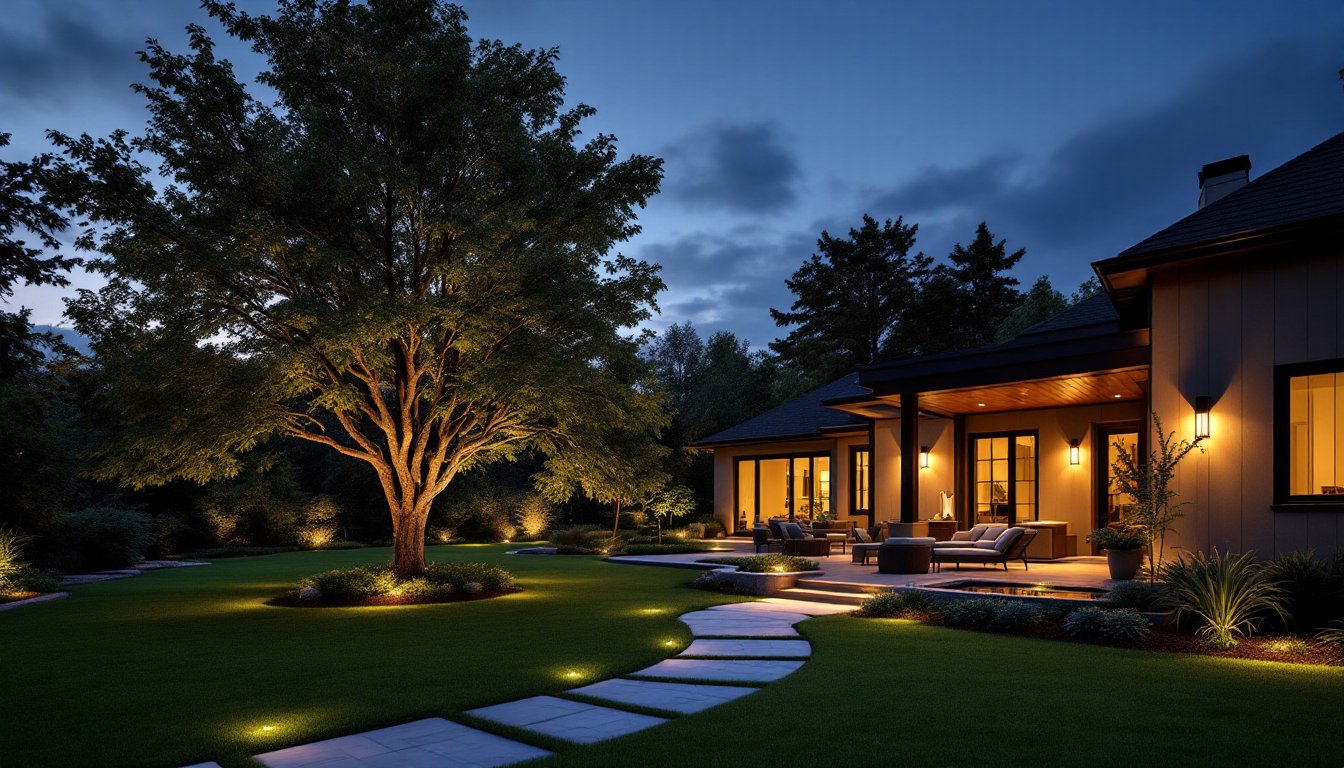
Outdoor lighting transforms a backyard from a daytime asset into a functional, beautiful space that extends usability well into the evening. Professional landscape lighting design goes far beyond stringing a few solar lights along a pathway. It’s about strategically illuminating architectural features, creating ambiance, and improving security, all while managing energy consumption. Whether homeowners are planning a complete outdoor renovation or simply upgrading an existing setup, understanding what landscape lighting design services offer can help them make informed decisions. This guide walks through the essentials: what makes professional design worth the investment, key design principles, technology options, how to select a qualified provider, and pitfalls to avoid.
Table of Contents
ToggleKey Takeaways
- Professional landscape lighting design services improve security, create ambiance, and extend outdoor usability by strategically illuminating architectural features and functional zones rather than random fixture placement.
- LED technology reduces energy consumption by 75% compared to halogen fixtures while lasting 25,000+ hours, potentially saving homeowners $150–400 annually depending on system size and local electricity rates.
- A qualified landscape lighting design provider should deliver a site assessment, detailed design drawings, written scope of work, and warranty terms before installation begins.
- Effective lighting design uses layered techniques—ambient, accent, and task lighting—with one or two focal points strategically illuminated to avoid over-lighting and wasted energy.
- Common mistakes like over-lighting, ignoring light trespass, neglecting plant growth, and poor installation practices significantly reduce system performance and lifespan, emphasizing the value of professional expertise.
- Low-voltage systems with smart controls and timers offer safety, ease of modification, and efficiency, making them the standard in professional landscape lighting design services.
What Makes Professional Landscape Lighting Design Worth the Investment
A well-designed landscape lighting system offers returns that go beyond aesthetics. Security improves dramatically when entryways, walkways, and property perimeters are properly lit, studies show that adequate outdoor lighting deters trespassers and reduces accident risks on uneven terrain. Professional designers assess sight lines, calculate appropriate lux levels for different zones, and position fixtures to eliminate dark spots without creating glare.
DIY outdoor lighting often overlooks this analysis. Homeowners may install uplights at random, creating harsh shadows or wasting power on areas that don’t need illumination. Professionals bring knowledge of fixture placement, beam angles, and color temperature that transform a yard into a cohesive outdoor living environment. They also account for seasonal changes, deciduous trees may allow winter light penetration but block it come summer.
Another key advantage is longevity and reduced maintenance. Professional systems use voltage-regulated transformers, proper grounding, and durable fixtures designed for outdoor exposure. This means fewer burned-out bulbs, corroded connections, and frustrating rewiring projects down the line. Budget-conscious homeowners might balk at upfront design fees, but systems that last 10+ years without major repairs justify the investment quickly.
Key Elements of Effective Landscape Lighting Design
Several foundational principles separate mediocre outdoor lighting from exceptional design. Proportion and balance ensure that the lit areas feel intentional, not randomly scattered. A professional designer creates a hierarchy, anchor lights define the overall space, accent lights highlight architectural or plant features, and task lighting handles functional zones like patios or driveways.
Color temperature significantly affects mood. Warmer tones (2700K–3000K) create a relaxing atmosphere suitable for seating areas, while cooler tones (4000K–5000K) work better for security and task-oriented zones. Mixing temperatures poorly can make a yard feel disjointed or overly harsh.
Proper fixture selection balances aesthetics with function. Recessed step lights provide subtle pathway illumination, while uplighting on trees creates drama and depth. Path lights should spread light wide to avoid creating a runway effect. Wall sconces flanking doors offer both beauty and practical entry lighting.
Layering Techniques and Focal Points
Effective design uses three lighting “layers”: ambient (overall illumination), accent (highlighting features), and task (functional lighting for specific activities). Layering allows homeowners to adjust mood with dimmers, a yard can be bright and practical for entertaining or soft and intimate for evening relaxation.
Focal points anchor the design. These might be a specimen tree, water feature, architectural detail, or seating area. A professional illuminates one or two focal points strategically: over-lighting everything dilutes impact and wastes energy. A single well-lit focal point is more compelling than five dimly lit features.
Energy-Efficient Lighting Solutions and Technology
LED technology has revolutionized outdoor lighting economics. A 12-watt LED landscape light produces as much usable illumination as a 50-watt halogen fixture while consuming 75% less power and lasting 25,000+ hours. For homeowners running systems 4–6 hours nightly, the difference in annual electricity cost is substantial, potentially $150–400 depending on local rates and system size.
Low-voltage systems (12V or 24V) are standard in professional landscape design. They’re safer than line-voltage systems (fewer electrocution risks), easier to install and modify, and compatible with smart automation. A transformer converts household current to low voltage, reducing shock hazard and allowing fixtures to be positioned closer together without complex wiring.
Smart controls add another efficiency layer. Programmable timers adjust on/off schedules seasonally, and occupancy sensors eliminate lights during cloudy days or when no motion is detected. Some systems integrate with home automation platforms, allowing dimming or scheduling via smartphone.
Solar options appeal to budget-conscious homeowners but come with caveats. Consumer-grade solar path lights provide minimal illumination and often fail after 2–3 seasons due to degraded batteries. Professional solar setups (higher-capacity panels, quality batteries, and robust fixtures) perform better but remain more expensive upfront. They’re best for supplemental pathway lighting, not primary illumination zones.
How to Choose the Right Landscape Lighting Service Provider
Not all outdoor lighting contractors are equal. A qualified professional should provide a site assessment, detailed design drawings, a written scope of work, and warranty terms, in writing, before any work begins.
Look for providers who ask detailed questions: What’s the property’s style and landscape layout? Are there mature trees or plans to add plantings? What’s the homeowner’s budget and mood preference? A contractor who launches into fixture recommendations without this groundwork likely lacks design thinking.
Check credentials and portfolio. Ask for references from similar projects, and don’t hesitate to contact them. Request photos of completed installations at night, daytime photos tell little about actual lighting quality. If the provider uses industry certifications (like those from the International Association of Lighting Designers or similar), that’s a good sign they stay current on standards.
Compare warranties carefully. Reputable firms offer 2–5 year warranties on fixtures and 5+ years on wiring and labor. Avoid contractors who push cheap, no-name fixtures or refuse to provide written specifications, these often signal corners being cut.
Get multiple quotes, but don’t choose based on price alone. A $2,000 system from a designer and a $1,500 quote from a part-timer might look similar on paper but differ wildly in actual performance, longevity, and adjustability.
Common Mistakes to Avoid in Outdoor Lighting Design
Over-lighting is the most frequent error. Homeowners assume more lights equal better results, creating a yard that’s glaring, exhausting to look at, and wasteful. Darkness is a design tool, it creates contrast and lets focal points shine.
Ignoring light trespass onto neighboring properties causes friction and may violate local ordinances. Fixtures should be shielded or positioned to direct light downward and inward, not spilling into neighbors’ yards or upward into the night sky.
Neglecting to account for plant growth leads to fixtures becoming overgrown and ineffective. Shrubs planted in front of uplights will eventually block them. Plan for mature plant size, not current seedling size.
Poor fixture quality manifests after one season. Plastic housings crack, cheap sockets corrode, and sealed fixtures collect moisture and fail. Investing in fixtures with quality housings and rated for outdoor use prevents frustration and repeated replacement.
Skipping proper installation practices, like burying wires at adequate depth (typically 6–12 inches, depending on local code) or failing to use waterproof connectors, creates hazards and short lifespans. Water intrusion in connections is a common culprit behind intermittent failures.
Conclusion
Professional landscape lighting design services deliver security, beauty, and functionality that DIY attempts rarely achieve. The investment pays dividends through reduced maintenance, lower energy consumption with LED technology, and an outdoor space that’s genuinely usable year-round. By understanding design principles, choosing quality providers, and avoiding common pitfalls, homeowners can create outdoor environments that enhance both property value and quality of life.