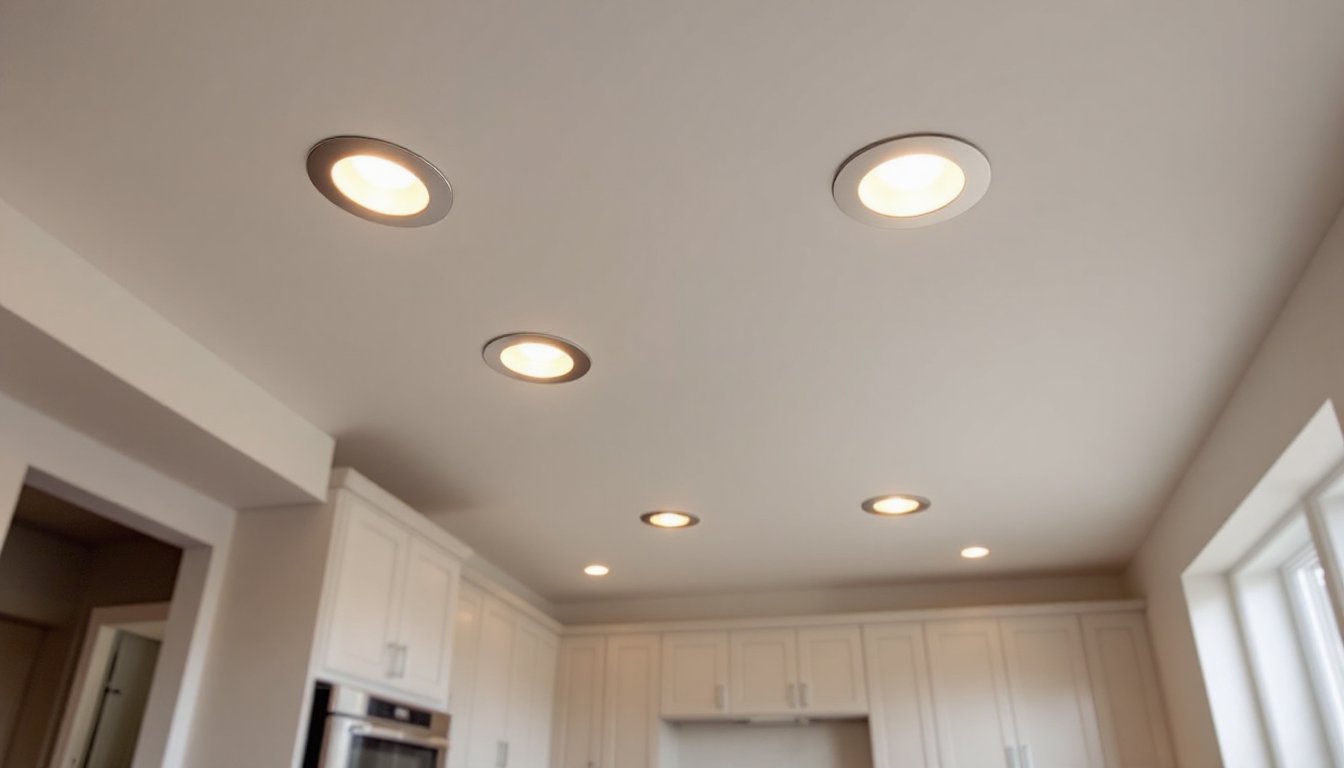
Upgrading to recessed lighting transforms a room’s appearance and functionality, but only if the fixture matches the space and the job gets done right. A 4-inch recessed LED light is the workhorse of residential and light commercial interiors, fitting standard ceiling cavities, delivering clean ambient light, and running a fraction of the cost of incandescent fixtures. Whether retrofitting an existing ceiling or building fresh, choosing and installing the right 4-inch recessed lighting with LED technology requires understanding fixture types, color temperature, dimming compatibility, and rough-in timing. This guide cuts through the choices and walks through what makes a solid installation, so homeowners and builders can plan confidently.
Table of Contents
ToggleKey Takeaways
- 4-inch recessed LED lights consume 9–12 watts while producing 600–800 lumens, saving $30–$50 annually per fixture compared to incandescent alternatives.
- LED recessed fixtures last 25,000–50,000 hours (10–20 years), dramatically reducing maintenance compared to halogen or incandescent fixtures that burn out after 2,000–4,000 hours.
- Choose color temperature based on room purpose: warm white (2700K) for living areas, neutral white (4000K) for kitchens and task spaces, ensuring consistent lighting throughout your home.
- Verify dimmer compatibility and select IC-rated fixtures for insulation contact in attics; non-IC fixtures require 3 inches of clearance to prevent overheating and damage.
- Space 4-inch recessed lighting 4–6 feet apart for ambient lighting or 2–3 feet apart for task lighting, matching beam angle to room height and purpose.
- Plan installation during framing stages when possible; retrofit work requires attic access and careful electrical connections—hire a licensed electrician if code requires it or wiring complexity exceeds your comfort level.
What Are 4-Inch Recessed LED Lights?
A 4-inch recessed LED light is a fixture that sits flush inside a ceiling cavity, with the trim ring and reflector level with (or slightly below) the drywall surface. The 4-inch diameter refers to the opening size, which suits most standard joist spacing and fits attic clearances in typical residential construction. Unlike older halogen or incandescent recessed cans, LED versions generate minimal heat, contain solid-state semiconductors rather than filaments, and last 25,000 to 50,000 hours or more, roughly 10 to 20 years of residential use.
Recessed fixtures come in two basic configurations: baffle trim (with a cone-shaped interior that reduces glare) and reflector trim (smoother, more efficient light output). Shallow fixtures work in tight ceiling spaces: deep-set cans accommodate thicker insulation. Some are rated for damp locations (bathrooms, kitchen soffits), others for insulation contact (IC-rated). Selecting the right type prevents re-running wiring, removing drywall, or losing efficiency.
Key Benefits of LED Recessed Lighting
LED recessed lights deliver tangible advantages over incandescent or fluorescent alternatives, making them the default choice in 2026.
Energy Efficiency and Lower Operating Costs
A typical 4-inch LED recessed light draws 9 to 12 watts and produces 600 to 800 lumens, equivalent to a 60-watt incandescent in brightness but at a fraction of the energy draw. Over a year, replacing six incandescent can lights with LEDs saves roughly 200 to 300 kWh, depending on usage and local rates. In a kitchen or living room running 5 hours daily, that’s $30 to $50 in annual savings per fixture. Multiply across a whole-house retrofit, and the utility bill drop becomes noticeable.
LED bulbs also eliminate the heat load incandescent fixtures create, reducing air-conditioning strain in summer, a secondary energy win that compounds over time, especially in warm climates.
Longevity and Reduced Maintenance
A halogen or incandescent recessed fixture typically lasts 2,000 to 4,000 hours before burnout. An LED fixture rated at 40,000 hours means fewer trips up a ladder, no emergency trips to the hardware store at 8 p.m., and no gaps in lighting while waiting for replacement. For commercial installations, longer fixture life translates to lower labor costs and less downtime. Homeowners simply enjoy peace of mind, a fixture installed during renovation will likely outlast the original drywall.
How to Choose the Right 4-Inch LED Recessed Fixture
Picking the right fixture depends on four critical factors: color temperature, lumens output, dimming compatibility, and location rating.
Color temperature is measured in Kelvin (K). Warm white (2700K) mimics incandescent and suits living rooms, bedrooms, and dining areas. Neutral white (4000K) works well in kitchens, offices, and task areas. Cool white (5000K or higher) is less common in homes but appears in commercial or clinical spaces. Most residential retrofits start with 2700K or 3000K for consistency with existing lighting.
Lumens output indicates brightness. A 600-lumen LED recessed light is suitable for general ambient lighting in average rooms: 800–1000 lumens works better in kitchens or high-ceilinged spaces. Check the fixture’s lumen rating on packaging, not wattage, wattage tells you power draw, not brightness. A 10-watt LED and a 12-watt LED can both output 800 lumens: efficiency varies by manufacturer and driver design.
Dimming requires care. Not all LED fixtures play nicely with all dimmers. If the home has a dimmer switch, confirm the fixture is compatible and labeled “dimmable to 10%” or similar. Cheap LEDs may flicker or hum on older trailing-edge dimmers: pairing them with a modern leading-edge dimmer (Lutron Caseta, Leviton Decora, or equivalent) prevents headaches.
Location rating matters for durability. Non-IC-rated fixtures must have air space around them: IC-rated fixtures tolerate insulation contact. In bathrooms or damp soffits, choose fixtures labeled “wet location” or “damp location.” Attics require different attention: non-insulated, unheated attics can use standard fixtures, but if insulation wraps the can, IC-rating prevents overheating and reduced lifespan. Check local building codes, some jurisdictions require permits for ceiling wiring upgrades, especially in kitchens and baths.
Installation Tips and Considerations
Recessed lighting looks simple but stumbles when rushed. Plan installation during framing or rough-in stages if possible: retrofitting into finished ceilings requires cutting holes, fishing wires, and accessing attic space, doable but messier.
Before starting, turn off power at the breaker and confirm the circuit is dead with a voltage tester (non-negotiable for electrical safety). Wear safety glasses and a dust mask if working in attic spaces: use work gloves when handling insulation or sharp can edges.
For new construction or unfinished attics, the process is straightforward. Run the electrical cable (typically 14-2 or 12-2 Romex, per NEC code for the circuit amperage) from the panel or existing junction box to the fixture location. Install the rough-in can at the joist mark, secure it per manufacturer fasteners, and run the cable into the can’s junction box. Leave slack wire inside, never force connections. Once drywall closes, cut your 4-inch hole, position the trim, and snap in the LED module or bulb. Most modern fixtures are designed for quick disconnect, so swapping modules is hassle-free if color temperature or wattage needs change later.
For retrofit work in finished ceilings, hole saws do the cutting, but access from above is essential. Fish the wiring from the attic to the new fixture location, secure the new can, make your electrical connections in a proper junction box, and install trim. If no attic access exists, running new wiring requires wall chases or surface-mounted conduit, consider hiring a licensed electrician for that scenario.
Spacing matters. For ambient lighting, space 4-inch fixtures 4 to 6 feet apart: closer spacing creates a wash of even light, while wider spacing creates pools. For task lighting over a kitchen island, place them 2 to 3 feet apart along the counter edge. Always verify the fixture’s beam angle, a narrow beam (25–40 degrees) concentrates light: a wide beam (50–80 degrees) spreads it. Match beam angle to room height and purpose.
Heat management is less critical with LED than halogen, but don’t ignore it. IC-rated fixtures can be fully wrapped in insulation: non-IC fixtures need 3 inches of clearance. Attic temperature extremes also affect LED lifespan if fixtures are exposed to sustained heat above 104°F. Standard fixtures handle that fine: if the attic routinely hits 120°F, look for fixtures rated for high ambient temperature.
Installation takes roughly 30 minutes per fixture for retrofit work if attic access is easy, longer if running new wiring. Rough-in during framing is faster, 15 minutes per fixture. If electrical work isn’t in your comfort zone or local code requires a licensed electrician for the circuit work, hire one. A sloppy electrical install risks fires, shocks, or code violations that catch you during home sale inspections.
Conclusion
A 4-inch recessed LED light delivers years of maintenance-free, energy-efficient lighting when the right fixture goes in the right place. Choose fixtures matched to color temperature, lumens, dimming needs, and location rating: plan rough-in timing to avoid excessive cutting and fishing: and don’t cut corners on electrical connections or safety. Sweat the details during installation, and you’ll have lighting that works quietly in the background for a decade or more, which is exactly what good lighting should do.