Flos pendant lighting has become a fixture in contemporary homes and commercial spaces, balancing sculptural design with practical illumination. For DIYers and homeowners looking to upgrade their lighting, Flos pendants offer a refreshing alternative to mass-produced fixtures, though their design-forward approach and premium positioning require thoughtful installation and placement. Whether renovating a kitchen island, dining area, or entryway, understanding what makes Flos pendants distinctive can help you choose the right model for your project and install it correctly. This guide walks through Flos pendant lighting basics, key design features, popular models, and practical installation and maintenance considerations.
Table of Contents
ToggleKey Takeaways
- Flos pendant lighting combines sculptural design with practical illumination, treating fixtures as design objects rather than simple light sources.
- Popular Flos models like the 265 and String Light collection suit different spaces—choose based on ceiling height, room function, and visual impact.
- Install Flos pendants 12–18 inches below ceilings over islands and 12 inches above dining tables for optimal task lighting and visual integration.
- Check IP ratings (IP65 minimum for kitchens), avoid wet locations, and ensure GFCI protection in moisture-prone areas before installation.
- Clean Flos fixtures with soft cloths and mild cleaners, inspect mounting hardware annually, and monitor LED-integrated models for dimming issues to ensure long-term performance.
What Defines Flos Pendant Lighting
Flos pendant lighting stands out because it treats the fixture as a design object, not just a light source. The Italian lighting company, founded in 1962, focuses on collaborating with renowned designers to create pieces that are as much about form as function. Unlike mass-market pendants that hide their mechanics, Flos designs embrace visible geometry, innovative materials, and proportional restraint.
What separates Flos pendants from standard hardware-store options is the attention to how light diffuses, how the fixture interacts with surrounding surfaces, and how the overall proportions work in a space. Many Flos models use advanced materials like hand-blown glass, extruded aluminum, or composite polymers to achieve their aesthetic while managing heat dissipation and light spread. These aren’t decorative objects that happen to glow: they’re lighting systems designed to work with the room’s architecture and the resident’s daily routines.
Flos pendants also meet or exceed standard electrical codes and safety standards, including UL listing for US installations. When shopping for Flos models, you’ll encounter terms like color temperature (measured in Kelvin, or K), lumen output (brightness), and beam angle, which describe how the light performs, not just how it looks.
Key Design Features and Materials
Iconic Shapes and Minimalist Aesthetics
Flos pendant designs typically follow one of a few visual philosophies: geometric simplicity, organic sculptural form, or transparent systems that expose internal structure. A Flos 265 (one of the brand’s classics) uses a smooth spherical globe that diffuses light evenly, while newer models like the String Light series employ linear elements and modular thinking.
Material choices directly affect installation and maintenance. Borosilicate glass pendants are durable and easy to clean but can be heavy, requiring solid mounting hardware and careful handling during install. Aluminum and composite resin models are lighter, making them suitable for drop ceilings or older joists that can’t support heavy loads. Some fixtures use fabric or woven elements, which filter light softly but require protection from moisture in kitchens or bathrooms.
Color finishes, matte black, white, natural aluminum, and anodized copper, integrate with different interior styles. Matte finishes hide fingerprints better than glossy, important if the pendant hangs at eye level. Polished metals may require occasional dusting to maintain their luster, a consideration worth noting during the maintenance-planning phase.
Light source compatibility matters for both aesthetics and energy use. Many current Flos models use LED-integrated systems, meaning you can’t swap bulbs. Older models may accept standard E27 or E26 screw bases with LED or incandescent bulbs. Always verify compatibility before purchasing, as retrofit options are limited.
Popular Flos Pendant Models and Collections
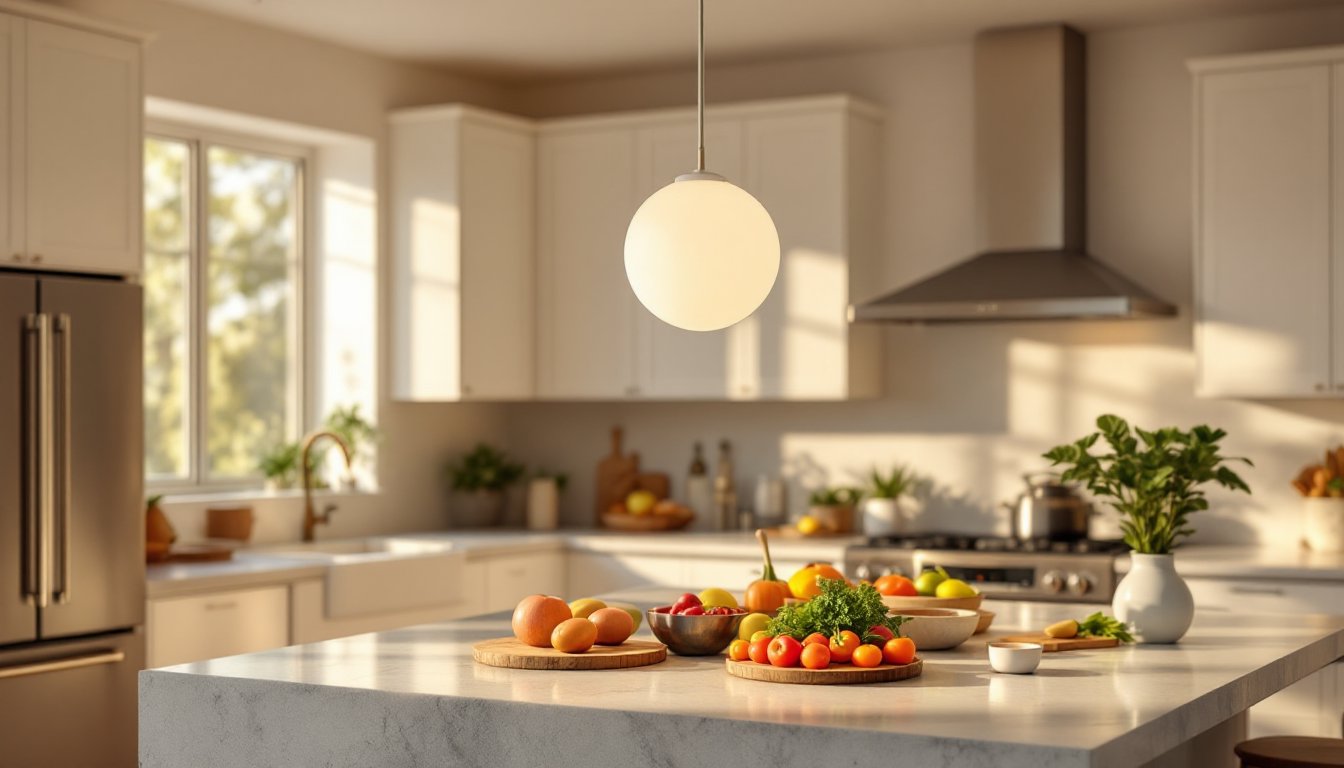
The 265 pendant remains an architectural staple, a simple hand-blown glass sphere with optional color choices. It’s straightforward to install, works over tables or islands, and performs well in transitional or modern kitchens.
The String Light collection offers a different approach: modular, linear fixtures that work as single pendants or multiples strung in a line. They’re popular for contemporary dining areas and are easier to customize than traditional single-drop models.
The Aim collection by Ronan and Erwan Bouroullec features sculptural silicone forms in various sizes and colors. These are light enough for standard ceiling boxes but designed more for dramatic visual effect, so placement and sightline matter, they shouldn’t be hidden behind tall plants or furniture.
For smaller spaces or accent lighting, Skygarden offers a compact pendant with a diffusing shade, and Flos Cul-de-Sac provides adjustable positioning, useful in rooms where you need to redirect light without moving the fixture.
When selecting a model, consider your space’s ceiling height. Large sculptural pendants work in homes with 9-foot or higher ceilings: smaller, more subdued models suit 8-foot standard ceilings better. Measure your clearance before ordering.
Where Flos Pendants Work Best
Residential and Commercial Applications
Residential spaces gain the most from Flos pendants in high-visual-impact zones: kitchen islands, dining tables, entryways, and bedside areas. An island often sits at 30–36 inches above the work surface: a single Flos pendant at 12–18 inches below the ceiling provides task lighting while leaving the fixture visible and part of the room’s design narrative. Dining tables benefit from pendants that hang 12 inches above the table surface, casting light on faces and food without creating harsh shadows.
Kitchens demand practical consideration: Flos pendants above islands or sinks must be rated for damp environments, check the fixture’s IP rating (Ingress Protection). A rating of IP65 or higher means splash-resistant: IP44 is minimally acceptable for kitchens. Ventilation is equally important: pendant fixtures trap heat, so install them away from direct stove heat or with adequate clearance to exhaust hoods.
Bathroom and wet-location use is limited. Most Flos pendants are designed for dry or damp locations only, not directly over showers or tubs. Position them away from moisture sources and always pair them with GFCI-protected circuits.
Commercial applications, restaurants, hotel lobbies, office reception areas, showcase Flos designs at scale. A single high-ceilinged retail space might use multiple coordinated pendants at varying heights for layered visual and functional lighting. Commercial installations should involve a licensed electrician if modifications to hard-wired circuits are needed.
When planning placement, consider light spread and glare. A pendant directly above a glossy table creates reflections: angling it slightly or using frosted shades reduces this. Task-oriented areas (reading nooks, kitchen prep zones) benefit from pendants with focused beam angles: ambient areas (living rooms, entryways) work better with diffuse sources.
Maintenance and Care Tips
Flos pendants need regular but straightforward care. Turn off power at the breaker before cleaning: this is non-negotiable, regardless of the fixture type.
Glass fixtures should be cleaned with a soft, lint-free cloth and a mild glass cleaner or diluted white vinegar. Avoid abrasive pads or scouring powders, which scratch finishes. For hand-blown pieces, check the mounting collar (where the shade connects to the stem) for dust accumulation, which affects light output.
Aluminum and resin fixtures benefit from occasional dusting with a dry microfiber cloth. Matte finishes can tolerate gentle wiping with a barely damp cloth: polished metals warrant dry-only care to prevent water spots. Never use solvents or harsh cleaners on painted or anodized finishes, these will strip the coating.
LED-integrated models require no bulb replacement, but if the light output dims noticeably, the integrated LED driver may be failing. Contact Flos customer service or a qualified electrician for diagnosis: most warranty periods cover this. Older models with replaceable bulbs simply need occasional bulb swaps: keep spare bulbs on hand to match the original wattage and color temperature.
Inspect the power cord and plug annually for damage. If you notice fraying, discoloration, or loose connections, stop using the fixture immediately and seek professional repair. Check that the mounting hardware remains tight, vibrations from nearby appliances can loosen fasteners over time.
For fixtures in high-humidity areas (near kitchen windows, over islands with steam), use a damp cloth monthly to remove moisture buildup around the shade. Trapped moisture accelerates oxidation on metal components and reduces light diffusion on frosted glass.
<h2 id="” data-id=””>Final Thoughts: Lighting That Lasts
Flos pendant lighting rewards thoughtful installation and placement. They’re not plug-and-play commodity fixtures, but rather investments in design and light quality that age well and remain functional for decades. Whether you’re renovating a kitchen, updating a dining space, or outfitting a commercial entry, the key is understanding your space’s lighting needs (task, ambient, or accent), selecting a model that matches your aesthetic and functional requirements, and installing it correctly with proper electrical support and positioning.
By following these guidelines and approaching maintenance as a routine habit, your Flos pendant will perform as intended, and look sharp while doing it.