Orlando homeowners face a unique outdoor lighting challenge: intense sun, high humidity, and afternoon thunderstorms mean fixtures must withstand harsh conditions while remaining energy-efficient year-round. Whether someone’s planning to upgrade a patio, boost security, or add curb appeal, outdoor lighting in Orlando requires smart material choices and strategic placement. This guide walks through the why, what, and how of outdoor lighting, from understanding the climate’s impact to choosing between professional installation and DIY setups. By the end, readers will know exactly what to install, how to maintain it, and why it matters in Florida’s subtropical environment.
Table of Contents
ToggleKey Takeaways
- Outdoor lighting in Orlando must use corrosion-resistant materials like cast aluminum or stainless steel to withstand high humidity, UV exposure, and salt air in Florida’s subtropical climate.
- LED outdoor lighting reduces energy consumption by 75–80% compared to older technologies and pays for itself in 1–2 years, making it the smart choice for Orlando homeowners.
- Strategic fixture placement at 8+ feet high on eaves and poles, combined with motion sensors and low-level accent lighting, creates both effective security and functional outdoor spaces.
- Low-voltage landscape systems are safe for DIY installation, but hire a licensed electrician for new 120V circuits, hard-wired fixtures, or any work requiring permits to avoid costly code violations.
- Regular maintenance every 3–6 months—including lens cleaning, corrosion inspection, and annual wiring checks—extends outdoor lighting lifespan in Orlando’s harsh tropical environment.
Why Outdoor Lighting Matters in Orlando’s Climate
Orlando’s weather presents specific challenges for outdoor fixtures. High humidity and salt air (especially for properties within 20 miles of coastal influence) accelerate corrosion of metal components. UV exposure from intense year-round sun degrades plastic housings and wiring insulation faster than in cooler climates. Also, frequent afternoon thunderstorms and the occasional hurricane mean fixtures must handle moisture ingress and wind loads.
Beyond weathering, outdoor lighting serves three critical functions: safety (reducing tripping hazards and deterring intruders), usability (extending evening entertaining time), and aesthetics (adding property value and curb appeal). In Orlando’s subtropical heat, well-placed lighting can also make the difference between a comfortable backyard experience and an unusable one once the sun drops. Proper outdoor lighting in Orlando isn’t just cosmetic, it’s a practical investment in livability and security.
Essential Types of Outdoor Lighting for Your Property
Landscape and Accent Lighting
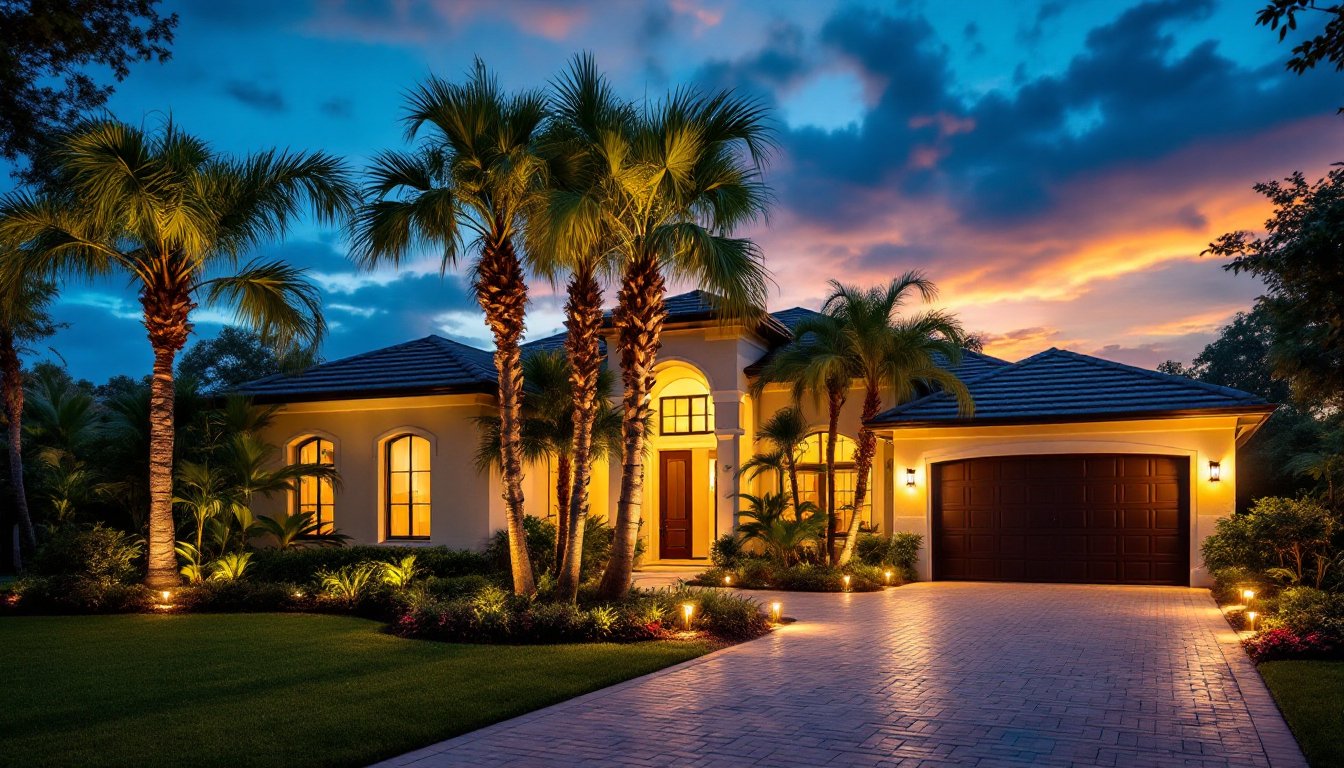
Landscape lighting highlights trees, shrubs, hardscaping, and architectural features. These fixtures are typically low-voltage (12V systems, stepped down from standard 120V household power via a transformer) and include path lights, uplights, and spotlights. Low-voltage systems are safer for DIY installation because they pose no shock hazard and use minimal trenching or conduit compared to line-voltage alternatives.
For Orlando’s humid environment, choose cast aluminum or stainless steel housings (not plastic-only designs) with gasket seals to prevent moisture intrusion. Path lights along walkways should be spaced 4–6 feet apart and positioned low (3–6 inches above grade) to avoid blinding headlights or creating shadows. Uplights work well on palmettos, oak trees, and specimen plantings, casting dramatic shadows at night.
Security and Flood Lighting
Security lights come in two forms: motion-activated fixtures (useful for driveways and dark corners) and always-on perimeter lighting. Motion-sensor lights reduce energy waste but occasionally startle residents: many homeowners combine them with a low-level always-on light source. Flood lights (500–1200 lumens, typically 20–50 watts LED) illuminate larger areas like the entire back patio or property perimeter.
For security effectiveness, position lights at least 8 feet high on eaves, poles, or walls, high enough to illuminate a person’s face but not so high that foliage blocks the coverage. Ensure there are no dark corners where an intruder could hide. In Orlando, this often means accepting that native vegetation (like thick ficus hedges) must be trimmed back or supplemented with additional fixtures. Always choose lights rated IP65 or higher (dustproof, water-resistant) for Florida’s moisture.
LED Technology and Energy-Efficient Solutions
LED outdoor lighting has become the standard, and for good reason. LEDs consume 75–80% less energy than incandescent or halogen equivalents and last 25,000–50,000 hours (versus 1,000–2,000 hours for older technologies). For a homeowner running outdoor lights 4–6 hours daily in Orlando, an LED fixture pays for itself in 1–2 years through reduced electricity costs.
Look for LEDs rated 2700K–3000K color temperature for warm, inviting residential lighting. Brighter 4000K–5000K LEDs suit security or task lighting but look harsh in entertainment areas. Many modern outdoor LED fixtures come with built-in drivers (the transformer equivalent) that accept standard 120V household power, simplifying installation. Solar-powered landscape lights remain popular for convenience but deliver inconsistent brightness in Orlando due to afternoon cloud cover: reserve them for supplemental accent work, not primary pathways.
When comparing LED products, check the lumens rating (brightness) rather than wattage. A quality 9-watt LED outdoor fixture typically produces 600–800 lumens, equivalent to a 60-watt incandescent. Don’t cheap out on the fixture housing itself, buy from established outdoor lighting manufacturers (Kichler, Halo, Philips Hue Outdoor) that warranty housings against corrosion for 5+ years in coastal conditions.
Professional Installation vs. DIY Outdoor Lighting
DIY is feasible for low-voltage landscape systems and standard 120V lights on existing house circuits. If the fixtures are within reach of the eaves and there’s already outdoor power available, a confident homeowner can install path lights, spotlights, and wall-mounted fixtures with basic tools: a drill, wire stripper, screwdriver, and a voltage tester. Run low-voltage landscape wire through conduit or along the ground (shallow, marked trenches): bury it 4–6 inches deep or use above-ground conduit if digging is impractical.
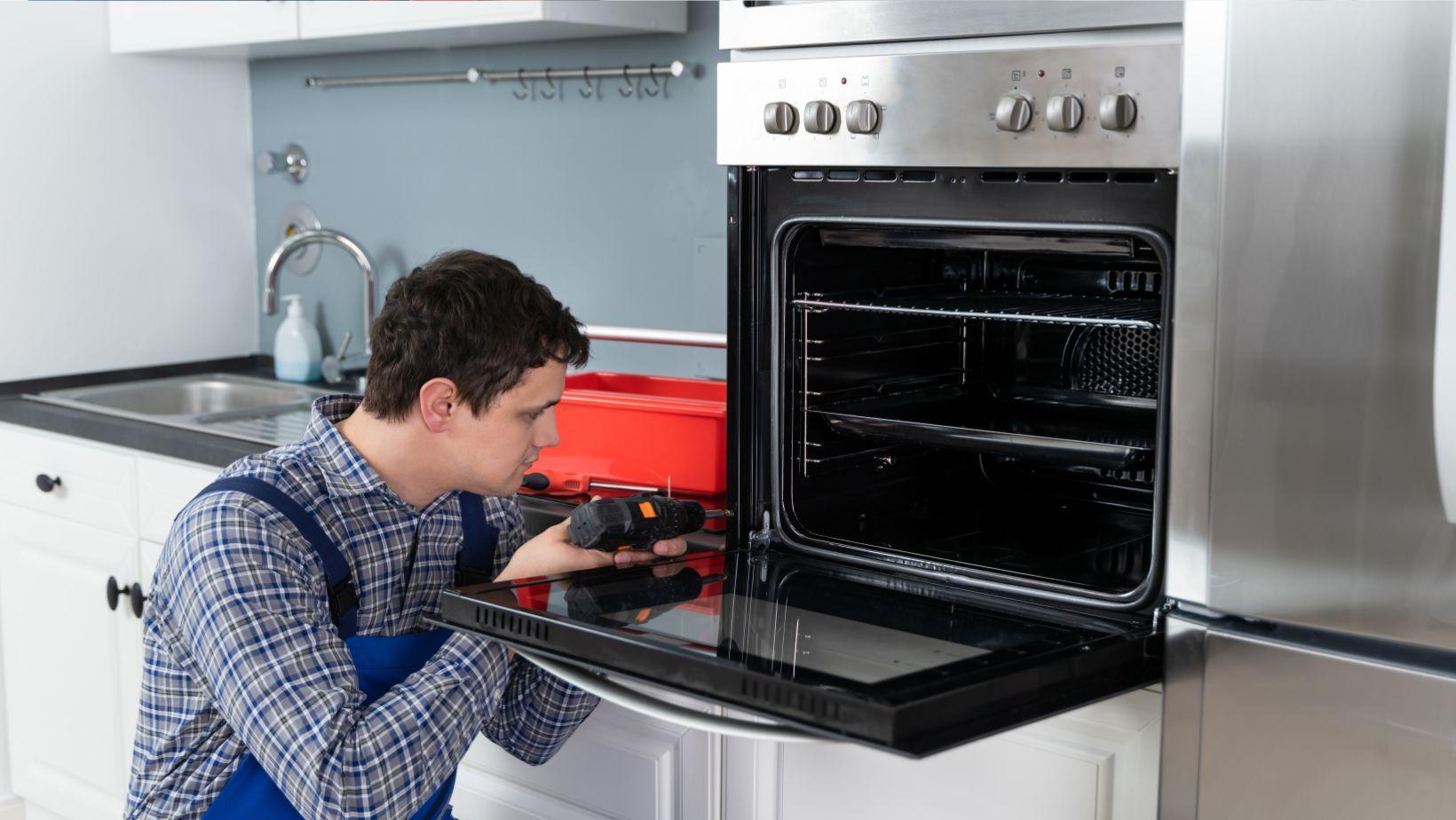
Hire a licensed electrician for: adding new 120V circuits, installing hard-wired fixtures (especially flood lights on high eaves), running underground conduit, or any work requiring a permit (most jurisdictions require permits for new exterior electrical work). Orlando’s electrical code follows the National Electrical Code (NEC), and inspectors may visit. If work fails inspection, homeowners often pay to redo it, a costly mistake when hiring a pro upfront costs only 20–30% more.
Motion sensors, dimmer switches, and smart controls (WiFi-enabled fixtures) add complexity. While many come with plug-and-play installation, integrating them into a cohesive system and troubleshooting wireless connectivity often justifies professional setup. Weigh the $300–800 labor cost against the time and potential frustration of a DIY attempt.
Maintaining Your Outdoor Lighting System
Orlando’s humidity and salty air demand regular maintenance to prevent premature fixture failure. Every 3–6 months, visually inspect fixtures for water seeping into the lens, corrosion on metal parts, or loose mounting hardware. Clean lenses and diffusers with a soft cloth and water: stubborn salt deposits respond to a 50/50 white vinegar and water mix.
Check low-voltage landscape wiring annually for cuts, rodent damage, or exposed sections. If a portion stops working, use a multimeter (set to voltage mode) to trace the circuit from the transformer to the fixture and identify the fault, often a loose connector or a buried wire splice. Replace failed LED bulbs as a unit: don’t try to repair them.
In hurricane season (June–November), secure all fixtures and ensure light poles are guyed or anchored to withstand strong winds. Store portable solar lights indoors before storms. At season’s end (November), walk the property and trim any tree branches that now shade your uplights or block motion sensors, light coverage degrades as vegetation grows.
Finally, update fixture schedules and dimming timers annually. If adding smart controls, document network names and access codes in a safe place: losing WiFi connectivity to outdoor lights is frustrating if you can’t recall setup credentials.