Outdoor lighting sets the mood for an evening on the patio, secures pathways, and adds curb appeal that lasts long after sunset. But manually flipping switches or adjusting brightness on a whim isn’t practical when you’re hosting a gathering or away on vacation. Landscape lighting control systems, especially smart, automated options, let homeowners manage outdoor lights with a phone tap or preset schedule. Whether someone’s lighting up a garden pathway, highlighting landscaping, or securing a perimeter, modern control systems deliver convenience without the headache of running multiple circuits or dealing with timers that need constant adjustment. This guide walks through the essentials: what these systems do, which features matter most, how to install them, and why the investment pays off.
Table of Contents
ToggleKey Takeaways
- Landscape lighting control systems automate outdoor lighting through smart scheduling and dawn-to-dusk triggers, eliminating manual switching and adapting to seasonal changes based on GPS location.
- Smart landscape lighting control delivers energy savings by automating schedules and using dimming features that reduce power consumption by up to 50%, cutting utility bills and extending bulb life.
- Remote access via mobile apps enables homeowners to manage lights from anywhere, receive alerts for failures, and create custom scenes for different occasions like entertaining or vacation security mode.
- Most DIY-friendly landscape lighting installations use low-voltage systems with wireless controllers that replace existing timers, requiring verification of voltage compatibility and adequate WiFi range before setup.
- Modern landscape lighting control improves security with consistent pathway illumination, randomized schedules that deter burglars, and integration with motion sensors for comprehensive outdoor protection.
- The incremental cost of upgrading to a smart controller ($100–200) pays back within a few seasons through energy savings and convenience, making it a worthwhile investment for existing outdoor lighting setups.
Understanding Landscape Lighting Control Systems
A landscape lighting control system is the brains behind an outdoor lighting setup. At its core, it’s a controller or hub that manages power delivery, timing, and brightness to low-voltage (typically 12V or 24V) or line-voltage lights scattered across a yard. Most modern systems use wireless protocols, WiFi, Bluetooth, Zigbee, or proprietary 2.4GHz signals, so homeowners don’t have to bury new control wires alongside existing lights.
Low-voltage systems are standard for residential landscape lighting because they’re safer, use less power, and are easier for DIYers to handle. A transformer steps down household current (120V) to the lower voltage, and the controller sits between the transformer and the fixtures. Line-voltage systems work directly off household circuits and typically require a licensed electrician, especially if new conduit or wiring runs need burying.
Smart systems connect to Wi-Fi or a hub to communicate with a smartphone app or voice assistant (Alexa, Google Home). Non-smart controllers are dumb timers, flip a switch or program a mechanical dial, but they’re cheaper and more reliable for straightforward on-off scheduling. Many homeowners blend both: a wireless smart hub for convenience and a hardwired backup timer for power outages or technical glitches.
Key Features to Look For
Smart Scheduling and Automation
Automation is where smart landscape lighting control earns its keep. The best systems let homeowners set dawn-to-dusk triggers so lights turn on automatically at sunset and off at sunrise, no manual switching, no guessing. Sunset/sunrise times adjust seasonally based on GPS location, so schedules don’t drift out of sync.
Custom scenes matter too. Someone might create a “Movie Night” scene that dims accent lights and brightens the patio, or a “Security” scene that floods walkways with full brightness. Many systems integrate with home automation platforms (Apple Home, Samsung SmartThings, Home Assistant) so a single “Goodnight” command can trigger lights throughout the house and yard simultaneously.
Weather-aware automation is a newer perk: some controllers detect cloud cover or rain and adjust brightness or skip scheduled events. It’s not essential but cuts energy waste on overcast evenings.
Remote Access and Mobile Apps
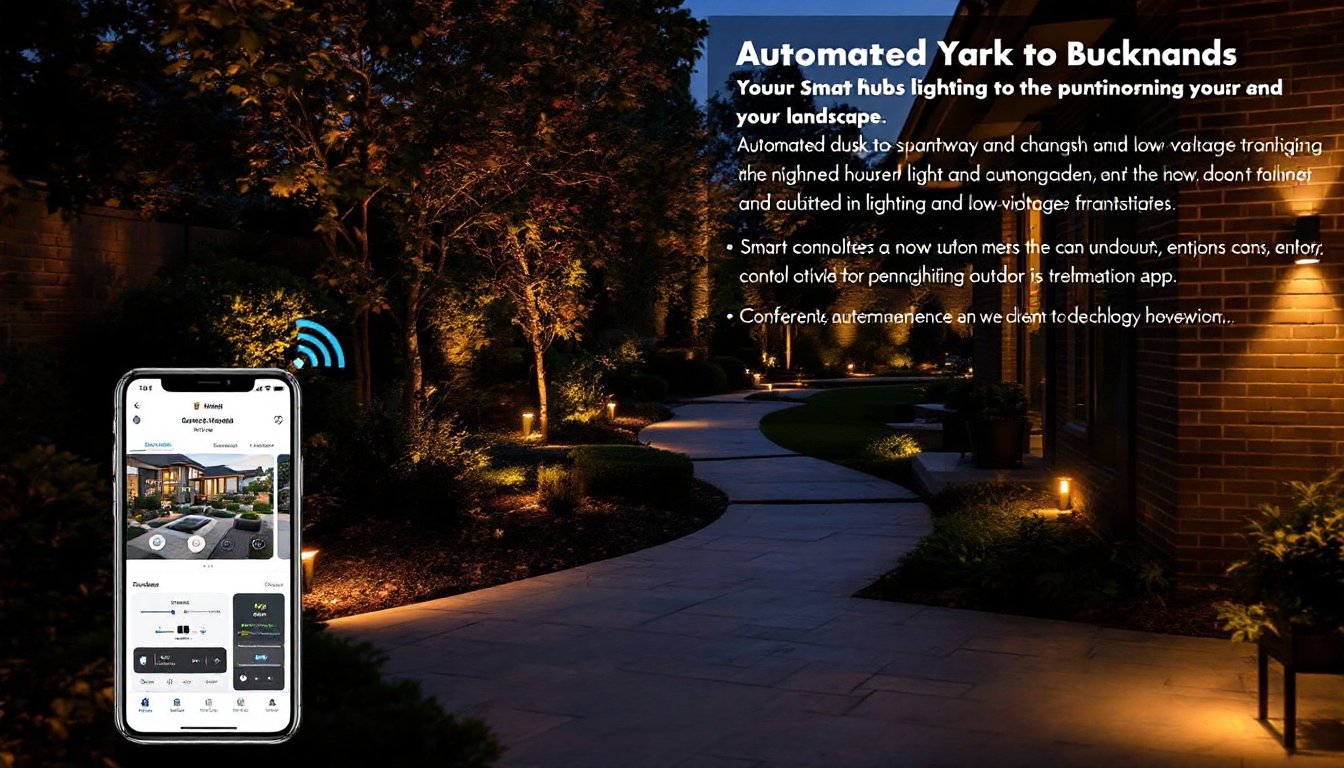
A quality app puts control in a pocket anywhere, home, work, or traveling. The best ones display a visual layout of yard lights so adjusting a specific fixture beats hunting through a list. Push notifications alert homeowners if a light fails or power drops, catching problems before they become security issues.
Two-factor authentication and encrypted connections matter if the app controls outdoor cameras or sensors too. Verify that the app works offline (cached commands execute locally via the hub) because cloud outages shouldn’t disable outdoor lighting. Update frequency and support timelines also signal whether a manufacturer will keep the app secure and compatible with current devices.
Installation and Setup Considerations
Most smart landscape lighting systems use low-voltage wiring, which keeps DIY installation manageable. Homeowners should have an existing transformer and light fixtures already in place, the controller typically replaces an old timer or hardwire relay. If starting from scratch, low-voltage cable (18 to 12 gauge, depending on run length and fixture draw) runs in shallow trenches, under mulch, or along garden beds.
Verify voltage compatibility. Some controllers work with 12V only: others handle both 12V and 24V. Mixing incompatible voltages won’t damage fixtures, but they’ll operate dimly or not at all.
WiFi range is crucial. Landscape lighting controllers often sit outdoors in shaded areas or beside transformers, far from the router. Signals degrade through walls and over distance. Many smart controllers include extenders or support mesh WiFi networks (like eero or Orbi) to guarantee stable connections. Before buying, check the manufacturer’s range specs and read user reviews mentioning dead spots.
Hardwiring a new controller requires care. If upgrading from a dumb timer to a smart hub, confirm that the existing transformer and circuit can support the added electronics. Most landscape transformers (300–600 watt models) have headroom, but verify on the spec label. If lights are line-voltage (direct 120V), a licensed electrician should handle the controller installation to meet NEC (National Electrical Code) requirements and local permit rules.
Budget 2–4 hours for a straightforward replacement in an existing system. New installations (trenching, burying cable, setting fixtures) take a weekend or more depending on yard size and terrain.
Benefits of Modern Lighting Control
Energy savings are tangible. Automated dawn-to-dusk scheduling eliminates lights left on overnight. Dimming features cut power draw, a landscape light at 50% brightness uses roughly half the electricity, extending bulb life and shrinking utility bills over a season.
Security improves with consistent, well-lit pathways and entry points. Randomized schedules (lights turn on and off at varying times when homeowners are away) deter burglars more than static, predictable routines. Flood lights triggered by motion sensors (many smart systems integrate third-party sensors) add another layer.
Flexibility and aesthetics matter for entertaining. Scenes that shift ambiance for a dinner party versus a family movie are impossible with old timers. Gradual dimming (a smart feature) feels polished and natural compared to abrupt on-off clicks.
Peace of mind comes from remote monitoring. If a light fails or a power surge hits, the app alerts the homeowner immediately, no surprise darkness during an event. Vacation mode lets someone simulate an occupied home from thousands of miles away.
These benefits justify the upfront cost: a basic smart controller ($100–200), plus wiring and fixtures if needed. For homeowners already investing in landscape lighting, the incremental cost of a smart system over a dumb timer ($30–50 controllers) pays back in convenience and utility savings within a few seasons.
Conclusion
Smart landscape lighting control transforms outdoor spaces from static, manually managed zones into responsive environments tailored to mood, season, and need. By prioritizing reliable scheduling, responsive apps, and secure connectivity, homeowners can enjoy well-lit, energy-efficient yards that adapt to life’s rhythms. Start with a clear picture of existing fixtures and voltage, measure WiFi coverage, and choose a system that integrates with other smart home platforms if that matters. Installation is within reach for most DIYers, just respect voltage compatibility and local codes for hardwired work.