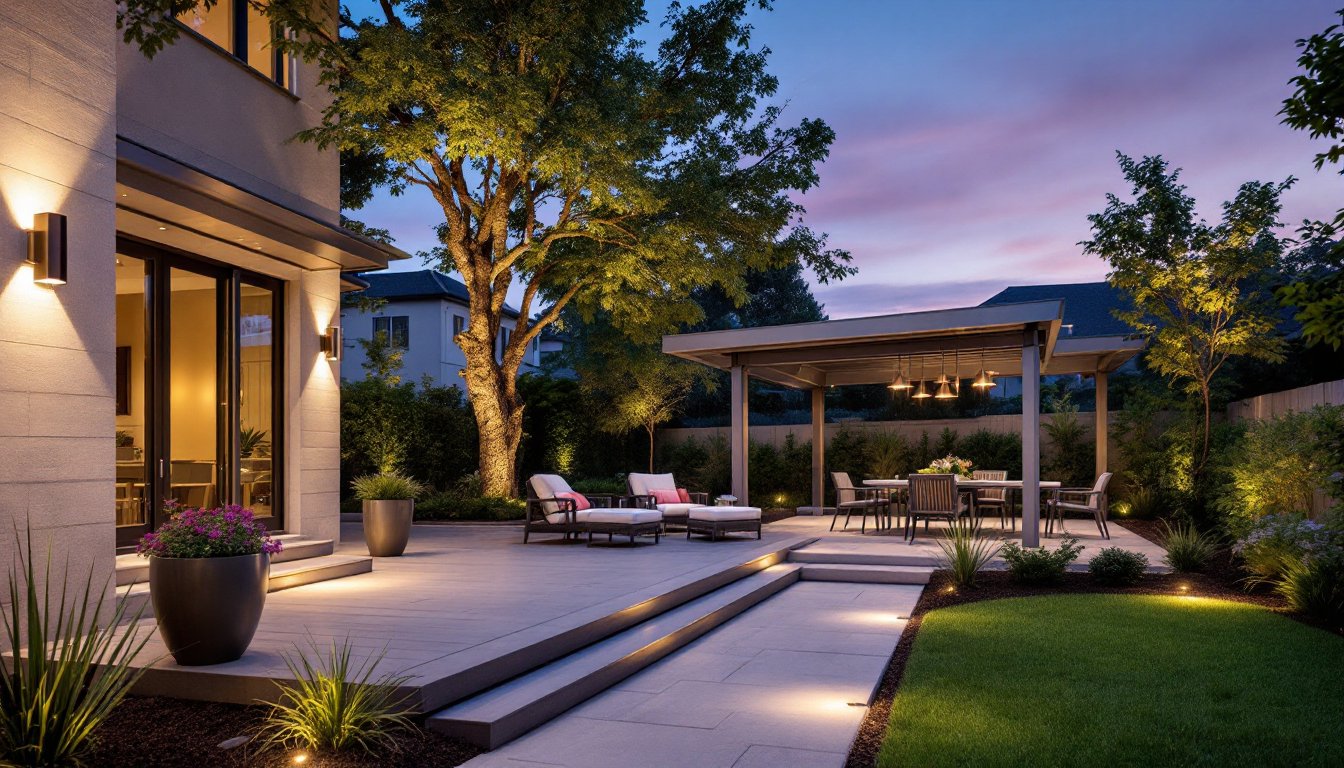
Designer outdoor lighting has evolved far beyond the single porch light of decades past. Today’s homeowners can layer ambient, task, and accent lighting to create functional, inviting outdoor spaces that extend living areas and highlight landscape features. Whether planning a complete renovation or upgrading existing fixtures, understanding the principles and technology behind designer outdoor lighting makes the difference between a space that merely gets lit and one that feels genuinely designed. This guide walks through the essentials, from foundational design principles to 2026’s latest sustainability trends, to help anyone make informed choices for their yard.
Table of Contents
ToggleKey Takeaways
- Designer outdoor lighting combines ambient, task, and accent layering to create functional, beautiful spaces that extend living areas and highlight landscape features intentionally.
- Warmer color temperatures (2700K–3000K) suit patios and seating for an inviting mood, while cooler tones (4000K–5000K) enhance visibility in task and security lighting applications.
- LED technology dominates outdoor lighting in 2026, consuming 80% less energy than incandescent bulbs and lasting 25,000+ hours, making sustainable designer outdoor lighting both practical and cost-effective.
- Start with foundational path and entry lighting for safety, then phase in accent and ambient fixtures as your landscape matures and usage patterns become clear.
- Smart controls and motion sensors add convenience and energy savings, while solar-powered options work best as secondary accent lighting rather than primary illumination.
- Fixture selection should match your home’s architectural style—whether minimalist, transitional, farmhouse, or industrial—and account for coastal or high-salt environments requiring IP67+ ratings.
What Is Designer Outdoor Lighting?
Designer outdoor lighting is the intentional layering and placement of fixtures to achieve both functionality and visual appeal. It’s different from security lighting or standard deck lamps because it considers how light interacts with landscape architecture, sightlines, and the mood of the space. A designer approach involves selecting fixture styles, color temperatures, brightness levels, and positions that complement your home’s architecture and hardscape.
At its core, designer outdoor lighting serves multiple purposes simultaneously. It illuminates pathways and stairs for safety, highlights trees or architectural details for visual interest, and creates ambiance for entertaining or relaxation. The key distinction is intentionality, every fixture has a purpose beyond simply pushing back darkness. This might mean choosing a sculptural wall sconce that frames an entryway, installing uplighting on a specimen tree, or running linear LED strips along a deck edge for contemporary flair.
The best designer outdoor lighting solutions account for seasons, usage patterns, and energy efficiency. A well-designed system can be layered, meaning homeowners adjust intensity and zones depending on whether they’re hosting a party, reading on the patio, or just ensuring safe navigation at night.
Key Design Principles for Outdoor Spaces
Designer outdoor lighting rests on a few core principles that apply regardless of budget or style. The layering principle involves combining ambient (overall background light), task (functional work light), and accent (decorative highlight) lighting. Layering prevents dark corners, reduces shadows, and gives homeowners control over mood and function.
Color temperature matters more outdoors than many realize. Warmer tones (2700K–3000K) feel inviting and intimate, making them ideal for patios and seating areas. Cooler tones (4000K–5000K) work better for task lighting and security applications because they enhance visibility and alertness. Mixing color temperatures creates visual interest but requires restraint, jumping between warm and cool haphazardly reads as chaotic rather than designed.
Proportion and scale ensure fixtures don’t dominate or disappear. A wall sconce should be roughly one-third the height of the entry door: landscape uplights should be positioned so their fixtures remain mostly hidden. This prevents the yard from feeling like a stadium or, conversely, leaving dark gaps that defeat the purpose.
Popular Styles and Aesthetic Approaches
Contempo minimalist designs favor clean-lined fixtures, often integrated into architecture (recessed deck lights, linear LED rails). These suit modern homes and provide understated elegance. Transitional styles blend traditional forms with contemporary materials, think lantern-shaped LED sconces in brushed metal or tempered glass. Farmhouse and cottage aesthetics lean toward vintage-inspired fixtures with warm filament-style LEDs, often paired with metal or wood accents. Industrial designs incorporate exposed elements, Edison bulbs, and metal cages or cage-free geometric frames. Each style serves a different audience and setting, and the best choice aligns with your home’s existing architectural character.
Essential Types of Outdoor Lighting Fixtures
Successful outdoor lighting combines several fixture types, each serving specific functions. Wall-mounted sconces flank entryways, gates, and raised seating areas. They provide ambient and task light while adding architectural interest. Quality fixtures are rated IP65 (dust and water resistant) at minimum: coastal properties should seek IP67 or higher ratings.
Uplights and downlights accent landscape features. Uplights mounted at ground level graze tree bark or architectural walls, creating dramatic shadows and depth. Downlights mounted overhead or under eaves illuminate walkways and patios without casting unwanted shadows upward into eyes. Low-voltage LED uplights (typically 12V) consume minimal energy and run cool, making them safer near plants.
Path lights mark walkways and stairs. Quality versions use cast aluminum or brass construction rather than thin plastic, ensuring they withstand weather and foot traffic. Spacing them 4–6 feet apart along paths is standard practice: closer spacing creates a runway effect, wider gaps leave dark zones.
String and pendant lights define zones and add ambiance. Edison-style LED strings bridge casual and designer aesthetics: bistro-style cafe lights feel European and intimate. Pendant fixtures hung over dining or conversation areas draw the eye and define the space functionally.
Deck rail and step lights integrate lighting into hardscape itself. Recessed step lights or rail-mounted fixtures prevent tripping while maintaining clean sightlines, no poles or stands cluttering the deck. These require planning during construction but feel seamless in finished installations.
Bollard lights (short, post-mounted fixtures) define edges without blocking views. They’re common around planting beds, driveway borders, and pathways. Choose heights between 18 and 36 inches depending on context.
How to Choose the Right Lighting for Your Landscape
Start by auditing your space. Walk it at dusk and nightfall to identify dark areas, hazardous transitions, and features worth highlighting. Note sun exposure (some areas get direct afternoon heat, affecting fixture material choices and LED longevity) and existing power sources. If running new circuits, you’ll need permits in most jurisdictions: an electrician ensures code compliance, particularly for outdoor receptacles, which require GFCI protection per the National Electrical Code.
Determine your lighting zones. Entryways, stairs, and pathways are safety priorities, these demand adequate task lighting (typically 50–100 lumens per fixture). Seating and dining areas benefit from dimmer ambient lighting (30–50 lumens) with accent highlights that guide the eye without glare. Specimen trees or architectural features are accent candidates, requiring uplights or well-positioned downlights at lower intensities.
Budget matters, but the best approach is phasing. Install foundational path and entry lighting first, the highest-safety, lowest-cost components. Add accent and ambient lighting in subsequent seasons once the landscape matures and you understand how you actually use the space. A 12V LED system is often cheaper to upgrade than 120V fixtures because low-voltage components are modular and don’t require licensed installation beyond trenching.
Consider maintenance access. Fixtures mounted in narrow beds or behind plantings become impossible to clean or repair. Position them where you can reach them every few years. Salt spray and pollen reduce light output significantly: quarterly cleaning extends fixture life and brightness.
Technology and Sustainability Trends
LED adoption is nearly universal in 2026, and rightfully so. LEDs consume 80% less energy than incandescent bulbs, last 25,000+ hours (versus 1,000 for incandescent), and generate minimal heat. They’re available in virtually every color temperature and fixture style, making the old objection about “cold, harsh light” obsolete with quality products.
Smart controls add convenience and flexibility. WiFi-enabled systems let homeowners dim, schedule, and zone lighting from a phone. Color-tuning systems shift between warm and cool tones depending on time of day or activity. Motion sensors reduce energy waste in low-traffic areas. But, not every fixture needs smart controls, a basic dimmer switch handles ambient zones affordably.
Solar-powered path and accent lights suit properties with good sun exposure. Modern solar LEDs outperform early generations, though they’re less bright than grid-powered options and depend on weather. They work best as accent or secondary lighting, not primary illumination. Battery longevity (3–5 years) and cloudy-climate performance are real limitations worth acknowledging.
Sustainable material choices matter increasingly. Brass and copper fixtures develop patina and age gracefully: aluminum and stainless steel resist corrosion in coastal environments. Recycled-content materials and fixture manufacturers with take-back programs appeal to environmentally conscious homeowners. Look for fixtures manufactured in facilities with renewable energy or carbon-neutral operations if sustainability is a priority.
Lighting design software and AR apps now let homeowners visualize placements before purchase, reducing costly mistakes. Many fixture manufacturers provide design consultations, sometimes free, to help specify appropriate products for a space.
Conclusion
Designer outdoor lighting transforms yards from dark, underutilized spaces into functional, beautiful extensions of the home. By understanding layering principles, choosing fixtures suited to their purpose, and leveraging current LED and smart technology, homeowners create inviting outdoor spaces that serve both safety and aesthetics. Start with pathways and entries, then phase in accent and ambient lighting as the landscape reveals its potential. The investment pays dividends, not just in extended outdoor living seasons, but in the perceived value and enjoyment of the property itself.