

If you’ve got a concrete basement, you know how dreary those gray walls can feel. Painting them not only brightens up the space but also protects the surface from moisture and mold. With the right approach, you can transform your basement into a more inviting area that adds value to your home.
I’ve discovered that painting concrete walls is simpler than it seems. Whether you want to create a cozy retreat or a functional workspace, a fresh coat of paint can make all the difference. In this article, I’ll share the essential steps and tips to help you achieve a professional-looking finish, ensuring your basement looks its best for years to come.
Key Takeaways
- Transform Your Space: Painting concrete basement walls not only brightens the area but also enhances aesthetic appeal, making it more inviting and enjoyable.
- Moisture Protection: A fresh coat of paint protects against moisture and mold, reducing the risk of damage and ensuring the longevity of your basement walls.
- Preparation is Key: Thoroughly clean and repair walls before painting to ensure proper paint adhesion and a smooth finish, which are critical for achieving professional results.
- Choose the Right Paint: Opt for high-quality, moisture-resistant paints designed specifically for concrete, such as acrylic latex, epoxy, or masonry paint, to ensure durability and a polished look.
- Follow the Correct Application Techniques: Use appropriate tools like brushes, rollers, and sprayers, and apply paint in even coats, allowing adequate drying time in between for optimal coverage.
- Enhances Functionality: Besides aesthetics, painted concrete walls can elevate the functionality of your basement, making it suitable for various uses such as recreational areas or workspaces.
Overview Of Painting Concrete Basement Walls
Painting concrete basement walls offers significant advantages. A fresh coat of paint brightens the area, transforms the atmosphere, and boosts aesthetics. Improved protection against moisture and mold reduces the risk of deterioration, ensuring longevity.
The process involves several straightforward steps, starting with thorough preparation. Cleaning surfaces eliminates dirt, grime, and old paint, providing a clean slate. Applying a concrete primer enhances paint adhesion, leading to a smooth finish. Selecting high-quality, moisture-resistant paint ensures durability.
Utilizing the right tools generates professional results. Brushes, rollers, and sprayers each have specific applications to optimize efficiency and effectiveness. Following proper application techniques guarantees an even coat, minimizing streaks and blemishes.
Incorporating these practices not only improves the appearance of the basement but also elevates its functionality, making it more inviting for various uses.
Benefits Of Painting Concrete Basement Walls

Painting concrete basement walls offers several advantages, including aesthetic improvement and enhanced durability. This process not only refreshes the space but also protects it from various environmental factors.
Enhanced Aesthetic Appeal
Painting transforms dreary, gray concrete into vibrant, inviting surfaces. I can choose from countless colors, allowing me to match or contrast with my existing decor. Light colors reflect more light, making the basement appear brighter and more spacious. Decorative finishes, such as textured or patterned paint, can add unique character and visual interest. Overall, painting creates a more welcoming atmosphere, turning the basement into a pleasant living or recreational area.
Increased Durability
Painting concrete walls significantly boosts their longevity and resistance to damage. High-quality, moisture-resistant paints protect against mold, mildew, and decay, combating humidity that often plagues basements. This protective layer shields the concrete from spills or stains, making routine cleaning simpler. Additionally, durable paint reduces the risk of chipping or peeling, ensuring my painted surfaces remain intact and attractive for years. Investing in a good paint job enhances functionality while minimizing long-term repair costs.
Necessary Preparations Before Painting
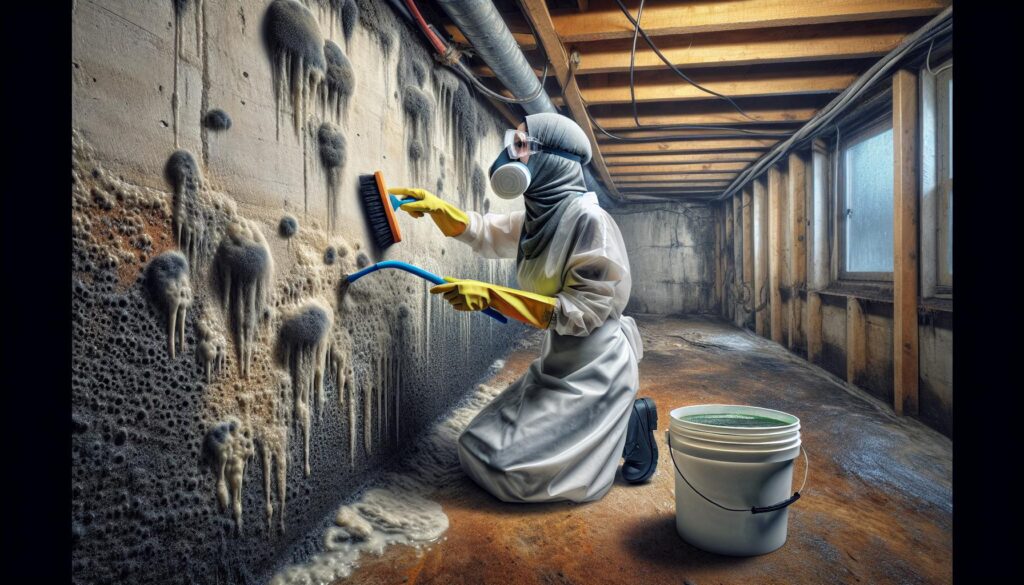
Preparing the concrete walls in my basement is crucial for a successful paint job. Proper preparation ensures a smooth finish and long-lasting results.
Cleaning The Surface
I start by cleaning the surface thoroughly. Dust, dirt, and grease can hinder paint adhesion, so I use a mixture of warm water and mild detergent. Scrubbing with a stiff bristle brush helps remove built-up grime. If there are any signs of mold, I apply a solution of water and bleach in a 3:1 ratio, scrubbing it off before rinsing the area with clean water. Ensuring the walls are completely dry before painting is essential.
Repairing Any Damage
I inspect the walls for cracks or holes that need attention. Small cracks should be filled with a high-quality concrete patch. For larger holes, I might use a concrete repair compound. Once the repairs dry, I sand the patched areas to make them flush with the surrounding surface. This step provides a uniform surface for painting and helps achieve a professional look.
Choosing The Right Paint

Choosing the right paint for concrete basement walls can significantly impact the durability and appearance of the finished surface. It’s essential to select products designed specifically for concrete to ensure optimal performance.
Types Of Paint Suitable For Concrete
- Acrylic Latex Paint: Acrylic latex paint provides excellent adhesion and flexibility, making it ideal for concrete walls. It resists fading and is easy to clean.
- Epoxy Paint: Epoxy paint forms a hard, durable coating that withstands moisture and abrasions. It’s perfect for high-traffic areas in basements.
- Enamel Paint: Enamel paints are glossy and provide a tough, protective layer. They resist stains and offer a polished look, enhancing the overall aesthetic.
- Masonry Paint: Masonry paint is specifically formulated for concrete and masonry surfaces. It allows moisture to escape while preventing water damage.
- Specialty Anti-Mold Paint: Some paints come with anti-mold properties. They prevent mold growth and are particularly useful in damp basement environments.
- Behr Premium: Behr offers high-quality acrylic latex and epoxy options renowned for excellent adhesion and durability.
- Sherwin-Williams: Sherwin-Williams provides a range of concrete paints, including their popular SuperDeck line, which is formulated for outdoor and indoor surfaces.
- Rust-Oleum: Rust-Oleum specializes in protective coatings and offers EpoxyShield products known for their toughness and moisture resistance.
- Valspar: Valspar’s concrete paint options deliver vibrant colors and ensure long-lasting results, suitable for both indoor and outdoor applications.
- KILZ: KILZ offers specialty paints with mold-resistant features, making them an excellent choice for basements prone to moisture issues.
Selecting the right paint types and brands ensures my concrete basement walls remain attractive and protected, elevating the overall quality of the space.
Step-By-Step Guide To Painting Concrete Basement Walls
Painting concrete basement walls involves specific tools and techniques that ensure a successful outcome. Follow the detailed steps below for optimal results.
Tools And Materials Needed
- Concrete Primer: Use a quality primer designed for concrete surfaces.
- Moisture-Resistant Paint: Select high-quality options like acrylic latex, epoxy, or specialty anti-mold formulations.
- Paintbrushes: Choose brushes for edging and corners.
- Rollers: Use rollers to cover large areas quickly; opt for ones with a nap suitable for concrete.
- Paint Tray: Necessary for holding paint while applying it with a roller.
- Drop Cloths: Protect floors and other surfaces from paint spills and splatters.
- Sandpaper or a Sander: Essential for smoothing out repaired areas.
- Caulking Gun: Needed for applying repair compounds in larger cracks or holes.
- Sprayer (Optional): Consider a paint sprayer for even application on textured surfaces.
- Cleaning Supplies: A mix of warm water, mild detergent, and bleach for surface preparation.
- Prepare the Surface: Clean the walls thoroughly. Remove dirt, dust, and mildew with a mixture of warm water and detergent. For mold, scrub with a bleach solution.
- Repair Damages: Inspect walls for cracks. Fill small cracks with concrete patch and larger holes with repair compound. Sand surfaces smooth once dried.
- Apply Primer: Use a brush for edges and roller for larger areas. Follow manufacturer instructions for drying times before applying paint.
- Paint Application: Start from the top and work downwards. Apply paint evenly using a brush for edges and a roller for main sections. Consider using a sprayer for a smooth finish.
- Multiple Coats: Allow the first coat to dry completely, then apply a second coat for even coverage. Adjust drying times based on temperature and humidity.
- Finishing Touches: Inspect for missed spots before the final coat dries, retouch if needed. Clean tools with water or solvent as specified by paint type.
By gathering the right tools and following these application techniques, the process of painting concrete basement walls becomes efficient and yields a professional finish.
Transforming concrete basement walls through painting is a rewarding project that can significantly enhance your space. Not only does it brighten the area but it also provides essential protection against moisture and mold. By investing time in proper preparation and choosing high-quality materials, you can achieve a stunning finish that lasts for years.
I’ve seen firsthand how a fresh coat of paint can breathe new life into a basement. Whether you want a cozy retreat or a functional workspace, the right color and finish can make all the difference. Don’t hesitate to take on this project; your basement deserves to shine as much as the rest of your home.