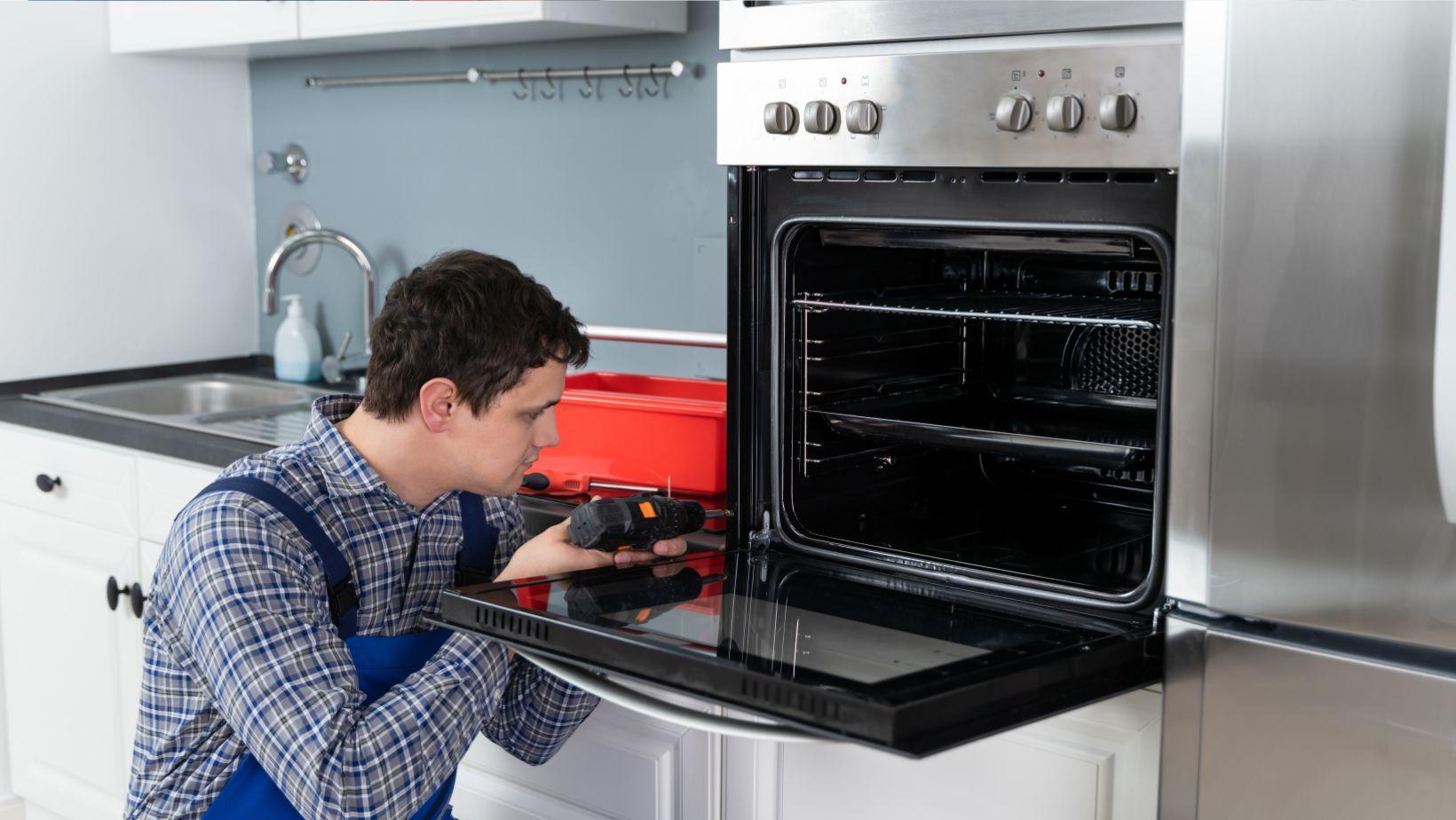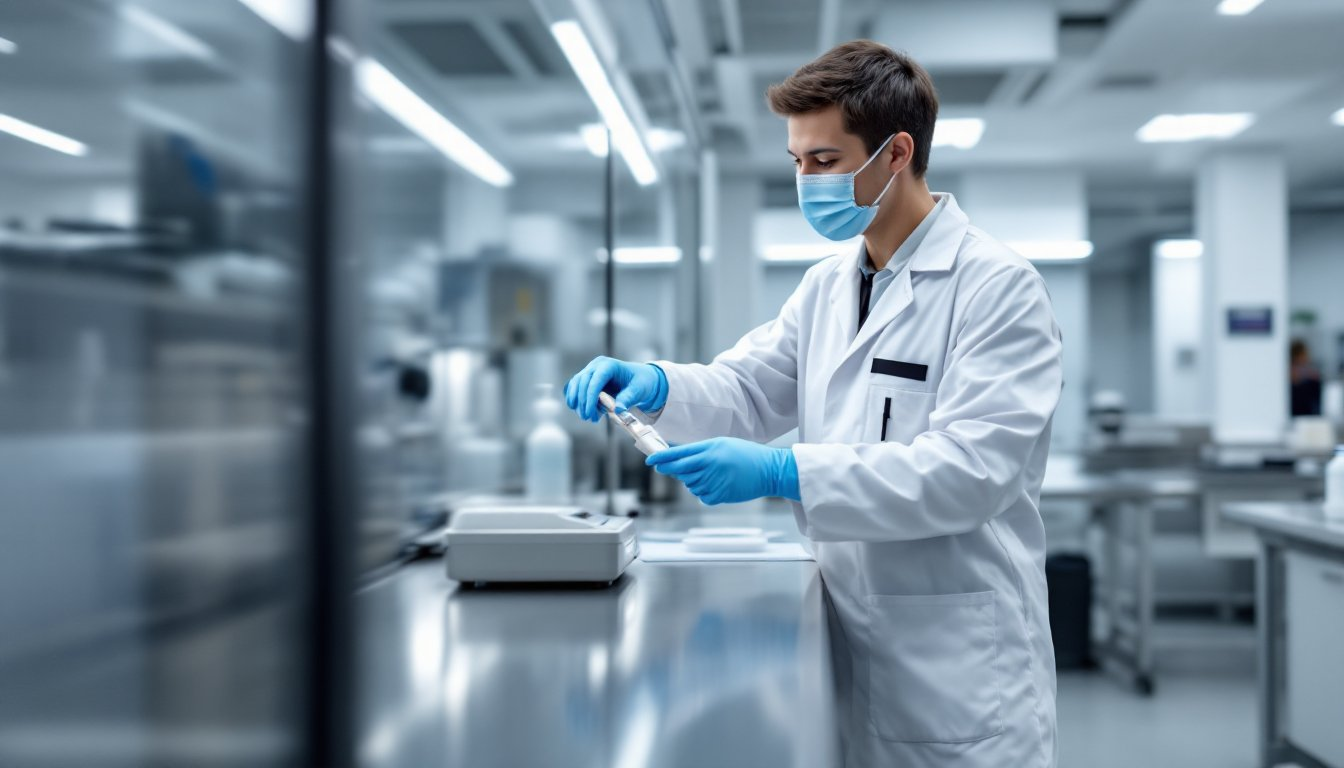
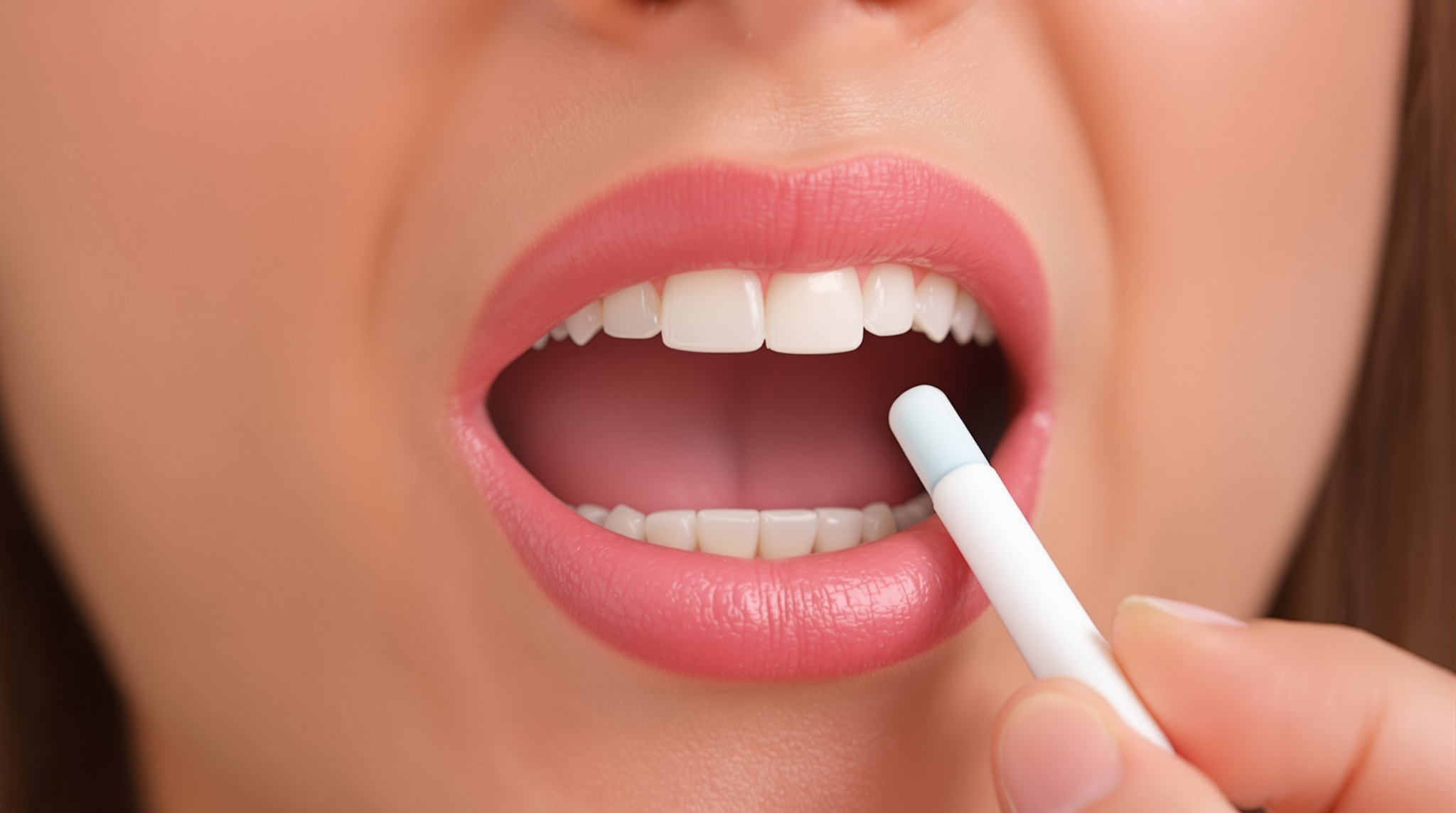
After a workplace incident, the clock matters. A post-accident screen is most defensible when it happens quickly, is collected under observation, and reflects recent use — three boxes that mouth swab tests check better than almost any other format. There is no bathroom to find, no shy-bladder delay, no same-gender collector to locate; the swab goes in under a supervisor’s eyes and preliminary results develop within minutes. One essential caveat up front: no instant drug screen, oral or otherwise, proves impairment or accident causation. It documents recent exposure, and non-negative results should always go to a laboratory for confirmation before any employment decision. With that framing, here are the eight best mouth swab tests for post-accident programs in 2026.
1. 12 Panel Now — Saliva 12 Panel Drug Test with Fentanyl, Alcohol and K2
The strongest post-accident swab available at scale is 12 Panel Now’s 12-panel pen-style device, because it answers the two questions incident investigations now ask most — alcohol and fentanyl — in the same 2-to-5-minute pass as the standard drug lineup. Panels cover AMP, BAR, BUP, BZO, COC, MET, MTD, OPI, and OXY plus fentanyl at 20 ng/mL, alcohol at 20 ng/mL, and K2 at 50 ng/mL, with a stated detection window of roughly 1 to 6 days. It is single-use, fully observed, and priced for keeping kits stocked at every site: $2.19 per test at the 25-unit minimum down to $1.59 at 10,000+. The manufacturer ships same-day on business-day orders before 3 PM EST from Boynton Beach, Florida, with 1–4 day US delivery and free shipping thresholds on volume orders. Like most extended-panel saliva devices, it is Forensic Use Only — appropriate for workplace incident screening, not clinical diagnosis.
2. Healgen 10-Panel Oral Fluid Device
Healgen’s 10-panel swab at $124.95 per box (about $5.00 per test) is a sturdy incident-kit staple from one of the industry’s biggest OEM manufacturers. Its saturation indicator confirms an adequate specimen — valuable when a shaken employee is providing a sample under stress and a re-collection would be awkward. It lacks alcohol and fentanyl panels, so some programs pair it with separate alcohol testing.
3. OralTox 6-Panel (Premier Biotech)
When an incident may end up in litigation, some risk managers standardize on OralTox for its long track record in professional screening channels. The 6-panel lists at $187.50 per box and the 8-panel at $250.00 — roughly $7.50 to $10.00 per test. That premium is the main criticism, along with a panel count that trails newer 12- and 13-panel devices.
4. STATSWAB 9-Panel with Alcohol
STATSWAB offers one of the few branded swabs that folds alcohol into a broad panel: the 9-panel-plus-alcohol configuration lists at $349.95 per box, with simpler versions from $135.00. For post-accident use, on-device alcohol screening is genuinely relevant. At roughly $14.00 per test for the alcohol version, however, it is the most expensive routine option on this list.
5. T-Square 7-Panel
T-Square’s 7-panel at $116.25 per box (about $4.65 per test) balances coverage and cost for mid-sized employers, and its saturation indicator supports clean chain-of-custody documentation of a valid collection. Single units through resellers run $5.99 to $13.99, so buy by the box; the family also extends to a 12-panel with alcohol at $136.95.
6. Quest Diagnostics Oral-Eze
Oral-Eze earns a place in post-accident planning as the lab-based complement: it is Quest’s oral fluid collection device, with the specimen analyzed at a Quest laboratory rather than on-site. Programs that want a laboratory-documented oral fluid result — or a confirmation pathway for instant non-negatives — should have this in the toolkit. The trade-off is turnaround time; it does not give the supervisor an answer at the scene.
7. ToxiCHEK 7 Saliva Tracer
At $112.50 per box, around $4.50 per test, the ToxiCHEK 7 is an economical seven-drug device for incident kits at smaller operations. It covers the core lineup competently but omits alcohol, fentanyl, and K2, which limits it as policies broaden.
8. SalivaConfirm 12-Panel (Confirm Biosciences)
SalivaConfirm’s 12-panel, sold through resellers such as TestKitsUSA for employment and insurance use, gives incident programs wide coverage from an established manufacturer. Published pricing was not available at research time, so it is a quote-first purchase — the main friction for teams that need to stock kits quickly.
Post-Accident Comparison
|
Product |
Panels |
Alcohol on Device? |
Box / Per-Test Price |
|
12 Panel Now Saliva |
12 |
Yes (20 ng/mL) |
$1.59–$2.19 per test direct |
|
Healgen |
10 |
No |
$124.95 (~$5.00) |
|
OralTox |
6 |
No |
$187.50 (~$7.50) |
|
STATSWAB +ALC |
9+ALC |
Yes |
$349.95 (~$14.00) |
|
T-Square |
7 |
No |
$116.25 (~$4.65) |
|
ToxiCHEK 7 |
7 |
No |
$112.50 (~$4.50) |
Building a Defensible Post-Accident Protocol
Write the trigger criteria into policy before you need them, test as soon as practicable after the incident, and document the observed collection — device lot, time, collector, and result. Choose a swab whose panels match your policy (alcohol and fentanyl coverage close the most common gaps), send every non-negative for laboratory confirmation, and never characterize a screening result as proof of impairment. For DOT-regulated incidents, remember that official post-accident tests must run through HHS-certified labs; instant swabs serve only company-policy testing alongside that process.
FAQ
How soon after an accident should a mouth swab be collected? As promptly as policy and medical care allow — oral fluid is specifically suited to capturing recent use, which is the relevant question after an incident.
Can a positive swab establish that drugs caused the accident? No. Instant screens indicate recent exposure only; confirmation testing and a documented investigation are required before drawing conclusions.
Bottom Line
For post-accident readiness in 2026, stock swabs that cover alcohol and fentanyl without a second device. 12 Panel Now sells its 12-panel saliva test direct in bulk — tiers from 25 units up, $1.59 to $2.19 per test — making it practical to keep a sealed incident kit at every site.